Snoring is more than just a nighttime annoyance, it can be a sign of a deeper problem affecting both physical and emotional well-being. This article explores how snoring and interrupted sleep contribute to anxiety, depression, and chronic stress, while also showing how dental teams can play a powerful role in helping patients find relief. Camilla Ohl, founder of Ohl Practice Management & Consulting, brings over two decades of experience in airway-focused dentistry, helping hundreds of dental teams across the country recognize sleep-disordered breathing and guide their patients toward better sleep and improved quality of life. Her leadership and insight demonstrate the experience, expertise, and patient-first mindset that define today’s most trusted healthcare partners.
While many still dismiss snoring as harmless or funny, its impact on mental health is anything but. The emotional toll of disrupted sleep builds over time and affects how patients think, feel, and function. Dental teams trained to see these patterns can be the first to connect the dots for patients and offer them a path forward, one that addresses both their health and peace of mind.
Why Chronic Snoring Affects More Than Just Sleep
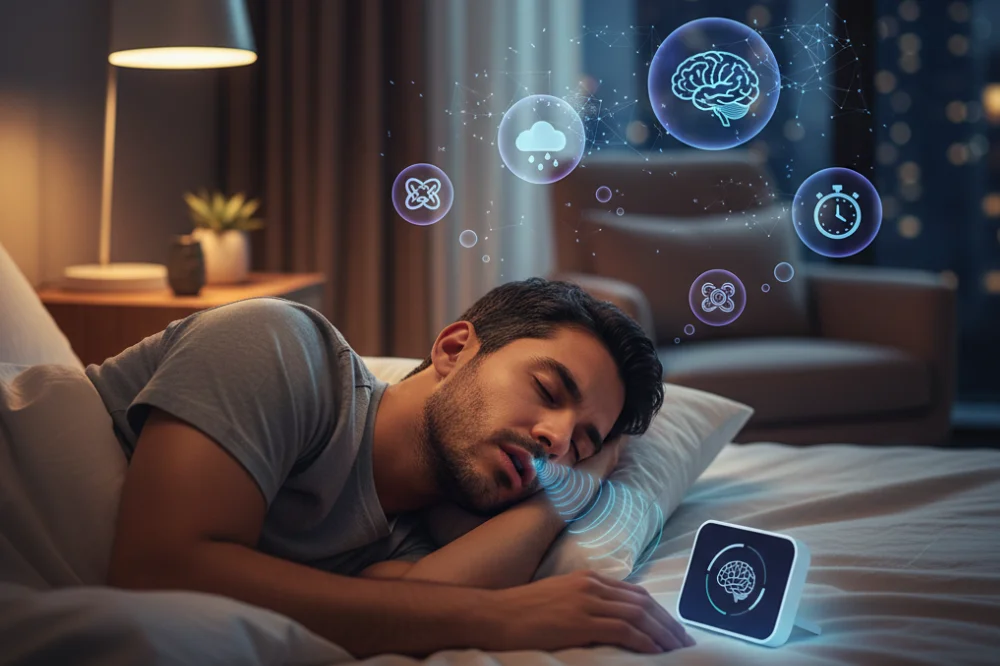
Snoring that disrupts normal sleep cycles takes a toll over time. It interferes with the brain’s ability to recharge, regulate emotions, and manage stress. When the body doesn’t achieve deep, restorative sleep, it struggles to keep neurotransmitters like serotonin and dopamine in balance. These chemicals are essential for mood stability, cognitive focus, and emotional resilience.
Patients in busy neighborhoods like River Oaks and Midtown often blame stress from work or parenting for their emotional burnout. But when they also report waking up tired, groggy, or unmotivated, sleep becomes an important part of the conversation. Chronic snoring may be silently stealing the rest they need to handle daily challenges with patience and clarity. Identifying snoring as a contributing factor can empower patients to take their mental health more seriously.
How Sleep Disruption Impacts Mental Health
When snoring affects sleep quality night after night, the consequences reach far beyond physical fatigue. Here’s how poor sleep impacts emotional well-being:
- Increased anxiety. Poor sleep heightens the body’s stress response. Patients often feel restless, edgy, or overwhelmed during the day. They may report racing thoughts, shallow breathing, or feelings of panic that seem to come out of nowhere.
- Higher risk of depression. Interrupted sleep reduces serotonin levels and impairs emotional regulation. Over time, this can increase depressive symptoms like low mood, sadness, and loss of interest in normal activities.
- Emotional reactivity. Sleep deprivation makes it harder to handle frustration, disappointment, or conflict calmly. Even minor stressors can feel exaggerated, leading to arguments, tension, and regret.
- Reduced focus and mental clarity. Patients may struggle with short-term memory, decision-making, and staying present. These lapses can lead to job stress, strained relationships, and a sense of frustration with oneself.
- Social withdrawal. Low energy and mood changes can make people feel disconnected, even in close relationships. As their emotional battery wears down, patients may stop participating in social events or community involvement they used to enjoy.
These psychological shifts often sneak up on patients. They may not think to bring up snoring when discussing anxiety or stress, but once they do, it opens a critical window for support. This is where trained dental teams can bridge the gap between symptoms and solutions.
Why Dentists Play a Role in Identifying the Pattern
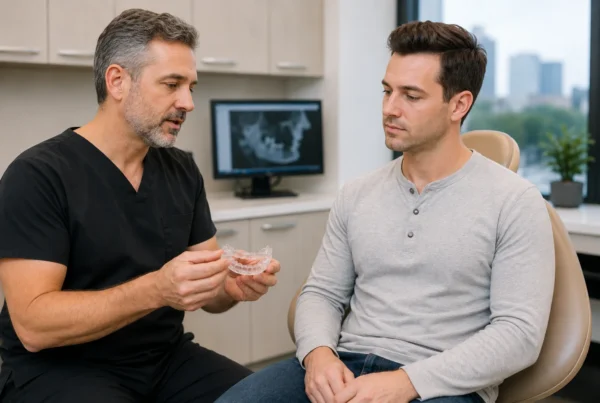
Dental teams are often the first to spot snoring and its connection to other health issues. Jaw structure, tongue position, and airway size all influence sleep, and we’re already evaluating these factors during routine exams. When patients mention fatigue, stress, or even trouble staying focused, dental professionals have an opportunity to ask deeper questions and look at the full picture.
At Ohl Practice Management & Consulting, we train dental teams to confidently identify red flags and build clear referral and education pathways. Our goal is to help providers support the whole patient, not just their oral health. By learning how to start the conversation around snoring and mental health, dental teams can truly make an impact on their patients’ emotional well-being.
Some of the signs that may indicate deeper psychological effects include reports of grinding, clenching, or TMJ pain, which are often linked to sleep stress. Low energy despite long sleep durations may suggest poor sleep quality. Signs of mouth breathing or airway restriction and trouble concentrating or irritability during conversations should prompt further inquiry. These clues, when observed together, point toward a sleep-related cause that is too often overlooked.

Connecting Snoring to Mental and Emotional Wellness
| Mental Health Effect | Sleep-Related Cause | Observed Symptoms |
| Anxiety | Heightened cortisol, fragmented sleep | Racing thoughts, restlessness |
| Depression | Reduced serotonin, chronic fatigue | Low motivation, sadness, apathy |
| Cognitive fog | Interrupted deep sleep, poor REM cycles | Poor focus, forgetfulness |
| Emotional instability | Reduced emotional processing during sleep | Mood swings, reactivity |
| Social isolation | Chronic tiredness and low mood | Avoidance, feeling withdrawn |
When you help patients draw these connections, you give them the power to act. Whether it’s through oral appliance therapy, home sleep testing, or referral to a sleep specialist, acknowledging the mental toll of snoring is often the first step toward recovery. Education empowers patients to understand why they feel off and shows them there are solutions available.
How Poor Sleep Impacts Day-to-Day Functioning
Snoring-related sleep disruption often goes unrecognized because the signs don’t always seem serious on their own. Even when patients don’t feel depressed or anxious, they may notice that something feels off in their daily life. These subtle shifts in behavior and functioning can compound over time and affect overall well-being.
Here’s how poor sleep can impact daily routines and responsibilities:
- Memory lapses. Patients may forget names, appointments, or misplace everyday items more frequently.
- Increased sensitivity. Emotional reactions may become more intense, and conversations may feel more draining.
- Mental fatigue. Tasks that were once simple may now feel confusing or overwhelming.
- Social withdrawal. Patients may skip events, avoid invitations, or feel uncomfortable in groups.
- Parenting challenges. Lack of rest can reduce patience, making it harder to manage household responsibilities or stay emotionally present.
- Work performance issues. Concentration and decision-making may decline, leading to stress at work or reduced confidence.
By helping patients understand this connection, dental teams can support not only health but also quality of life. It’s about treating the whole person, not just the mouth. These small improvements in sleep can lead to large improvements in relationships, self-confidence, and stability.
Helping Patients Take the Next Step Toward Healing
If a patient shares that they feel off emotionally, it’s worth exploring how their sleep habits may be contributing. Begin with compassionate, open-ended questions. Have they been sleeping through the night? Do they wake up feeling rested? Are they aware of snoring or grinding?
Once a pattern emerges, encourage them to log their symptoms and sleep patterns for a week or two. This can help reveal whether poor sleep is playing a bigger role than expected. Many patients qualify for home sleep testing, which is a low-barrier way to get answers. If snoring or sleep apnea is confirmed, dental teams can often initiate oral appliance therapy or work with a trusted sleep physician to coordinate care.
Mental health is deeply connected to rest. When patients finally get the quality sleep their body needs, their mood, motivation, and mindset often begin to shift. It all starts by recognizing that snoring might be more than a sound, it might be a sign.
Ohl Practice Management & Consulting
(713) 489-9937
connect@ohlpracticeconsulting.com
Schedule a consultation today
Frequently Asked Questions
Can snoring really cause anxiety or depression?
Patients and providers often see mood and sleep as separate, when they are tightly linked.
What they should ask instead: How can long-term snoring and fragmented sleep affect mood, stress, and brain function?
- Immediate Insight: Yes. Chronic, sleep‑disrupting snoring, especially when tied to sleep apnea, can reduce deep and REM sleep, which are critical for brain chemistry balance, emotional regulation, and stress recovery.
- Supporting Context: The National Sleep Foundation and Harvard Health describe how ongoing poor sleep increases risk for anxiety, irritability, low mood, and depression, in part through changes in neurotransmitters and stress hormones.
- Deeper Implication: When a patient reports both loud snoring and mood problems, it is important to consider sleep quality as a contributing factor, not just focus on stress or life events alone.
What should I look for if I suspect a patient is struggling mentally due to poor sleep?
Dental teams may be among the first to notice physical signs that something is off.
What they should ask instead: What daytime and oral signs might suggest that poor sleep and snoring are impacting mental health?
- Immediate Insight: Look for red flags such as chronic fatigue, difficulty staying awake, mood swings, increased anxiety, forgetfulness, or trouble concentrating, especially when combined with reported loud snoring.
- Supporting Context: In the dental chair, clenching and grinding wear, TMJ discomfort, headaches, or a narrow airway may show up alongside patient reports of “never feeling rested.” Asking simple questions about snoring, awakenings, and unrefreshing sleep during exams can uncover risk.
- Deeper Implication: Not every tired or anxious patient has a sleep disorder, but systematically screening high‑risk patients helps you guide them toward appropriate medical or behavioral support sooner.
How can dentists help patients who are dealing with both snoring and stress?
Patients may not realize their dentist can be part of the solution, not just someone who fixes teeth.
What they should ask instead: What practical steps can a dental team take when a patient reports snoring, fatigue, and stress?
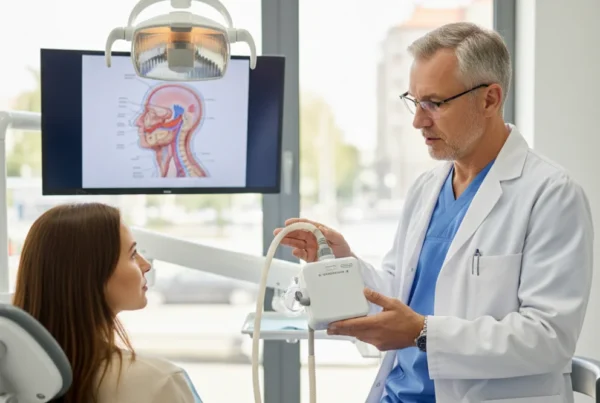
- Immediate Insight: Dentists can educate patients on the connection between disrupted sleep and mood, use brief sleep‑screening questions or questionnaires, and visually explain airway or bruxism findings that may relate to snoring.
- Supporting Context: Guidelines from sleep and dental sleep‑medicine organizations emphasize collaboration: dentists screen and, when indicated, refer patients to a sleep physician or primary‑care provider for formal evaluation, then may provide oral appliance therapy when sleep apnea is diagnosed.
- Deeper Implication: Framing snoring as a shared medical and dental concern helps patients feel supported, reduces stigma around both sleep and mental health, and creates a clear pathway from concern to testing to treatment.
Do mental health improvements happen after sleep treatment?
Patients want to know whether treating snoring or sleep apnea will really help them feel better emotionally, or just stop the noise.
What they should ask instead: What kinds of mood and energy changes do people typically notice once their sleep improves?
- Immediate Insight: Many patients report feeling more alert, emotionally stable, and less irritable after effective treatment for sleep apnea or significant snoring (for example, CPAP, oral appliances, weight loss, or surgery where appropriate).
- Supporting Context: Mayo Clinic and sleep‑research groups describe improvements in daytime energy, concentration, and overall quality of life when sleep fragmentation and oxygen drops are reduced; some patients see decreases in depressive and anxiety symptoms as part of this change.
- Deeper Implication: Treating sleep problems is not a stand‑alone cure for every mental health condition, but it is often a powerful first step that makes therapy, medication, and coping skills work better. Encouraging patients to address both sleep and mood leads to more durable gains.