Getting a sleep apnea oral appliance is a step-by-step process, not a single appointment. Most patients move through referral, evaluation, fitting, adjustment, and follow-up testing over several weeks to months, with each step designed to balance comfort and effectiveness.
This article is supported by Ohl Practice Management & Consulting in Houston, Texas. Camilla Ohl brings more than twenty years of experience in dental operations and dental sleep medicine program development. Her background in building scalable, patient-centered systems helps practices guide patients through each phase of care with clarity, consistency, and realistic expectations.
Dental Sleep Medicine and Why the Process Matters
Dental sleep medicine focuses on treating sleep-disordered breathing using custom oral appliances. These devices reposition the jaw to help keep the airway open during sleep, reducing breathing interruptions.
Patients across Houston, including The Heights, Montrose, and areas near the Texas Medical Center, often expect a fast solution. What surprises many people is that success depends on following a structured process. Each step builds on the one before it, which helps protect comfort, jaw health, and long-term results.
Diagnosis and Referral
The process usually starts before a dental visit. Most patients are diagnosed with sleep apnea through a sleep study ordered by a physician or sleep specialist.
Here is what typically happens at this stage:
• A sleep study confirms the presence and severity of sleep apnea
• A physician determines whether oral appliance therapy is appropriate
• A referral is sent to a dentist trained in dental sleep medicine
This step matters because oral appliances are not a guess-based treatment. A confirmed diagnosis helps guide appliance selection and treatment planning from the start.
Dental Evaluation and Records
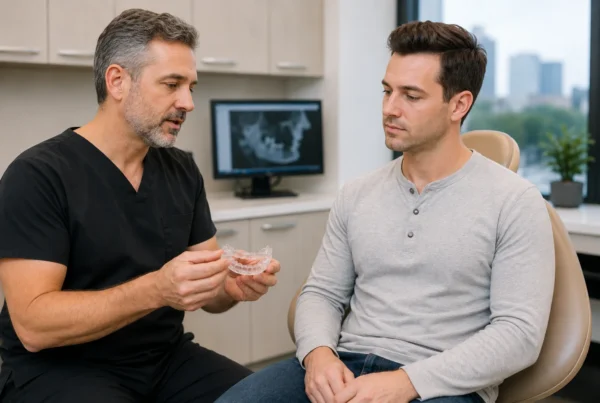
Once referred, the dental evaluation focuses on whether the mouth, jaw, and teeth can support an oral appliance safely and comfortably.
During this visit, dentists review oral health, jaw movement, bite alignment, and airway anatomy. Digital scans or impressions are taken to create a custom device. Patients also discuss comfort concerns, wear expectations, and timelines.
This visit sets the foundation for everything that follows. A thorough evaluation helps reduce side effects and improves long-term success.
Appliance Fabrication and Fitting
After records are taken, the appliance is custom-made. This process usually takes a few weeks, depending on the appliance type and laboratory timeline.
When the appliance is ready, patients return for a fitting visit. The dentist checks how the appliance seats on the teeth, how it feels in the mouth, and how the jaw is positioned. Instructions for nightly use and care are reviewed in detail.
The goal of this step is comfort and proper fit, not maximum advancement. Starting conservatively helps the jaw adapt more smoothly.
Adjustment and Titration Over Time
Oral appliance therapy works through gradual adjustment, not instant correction. This phase is often the longest and most important part of the process.
Here is what adjustment typically involves:
• Gradual advancement of the jaw to improve airflow
• Monitoring comfort, jaw soreness, and bite changes
• Reviewing sleep quality and daytime symptoms
• Making small changes based on patient feedback
This phase can last several weeks or months. Progress happens step by step, which helps balance effectiveness with comfort.
Follow-Up Sleep Testing and Ongoing Care
Once symptoms improve and the appliance reaches a stable position, follow-up sleep testing may be recommended. This testing confirms whether breathing events are adequately controlled.
Dentists also continue monitoring bite alignment, jaw comfort, and appliance wear. Long-term follow-up visits help protect oral health and maintain results.
Ongoing care is not optional. Sleep apnea is a long-term condition, and oral appliance therapy works best with regular monitoring.
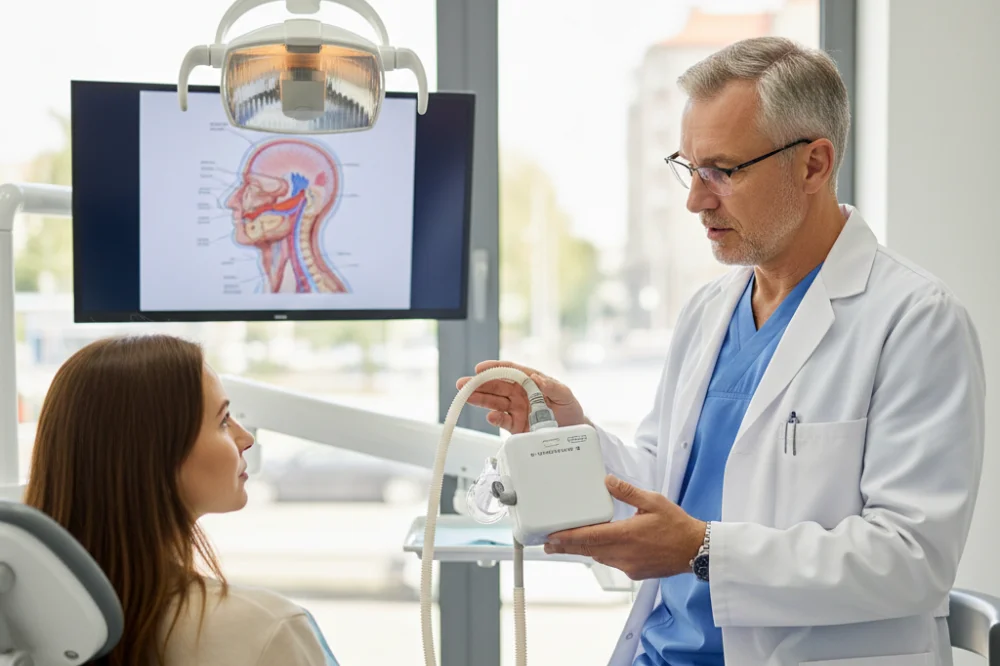
How the Oral Appliance Process Compares to CPAP
Many patients compare oral appliance therapy to CPAP therapy. Both follow structured processes, but the experience feels different.
| Stage of Care | Oral Appliance Therapy | CPAP Therapy |
| Diagnosis | Sleep study and referral | Sleep study and prescription |
| Initial Setup | Dental evaluation and fitting | Mask fitting and pressure settings |
| Adjustment Phase | Gradual jaw advancement | Pressure and mask adjustments |
| Follow-Up | Dental visits and sleep testing | Sleep clinic visits and data review |
| Long-Term Care | Bite and comfort monitoring | Mask and equipment maintenance |
Both approaches require follow-up and commitment. The best option is the one a patient can use consistently over time.
Taking the Next Step With Ohl Practice Management & Consulting
The oral appliance process works best when patients understand what comes next at every stage. Clear expectations reduce frustration and improve follow-through. Ohl Practice Management & Consulting helps dental teams design sleep medicine workflows that guide patients step by step, without confusion or rushed care. Camilla Ohl’s experience ensures these systems are practical, repeatable, and patient-focused.
Patients want reassurance that the process is working and that support is available along the way. Our role is to help practices communicate progress clearly and adjust care proactively. If you want help strengthening how the sleep apnea oral appliance process is delivered and explained in Houston, call (713) 489-9937 to talk through next steps.
Frequently Asked Questions
How long does it take to get a sleep apnea oral appliance?
From the initial referral to wearing the appliance regularly, the process often takes several weeks. Time is needed for evaluation, custom fabrication, and fitting, and adjustments may continue for a few months. Clear milestones along the way help patients understand what is happening and stay confident throughout the process.
Do I need a sleep study before getting an oral appliance?
Most patients do need a sleep study before starting oral appliance therapy. The study confirms the presence and severity of sleep apnea, which helps determine whether an oral appliance is an appropriate option. Having this information allows dentists and physicians to plan treatment safely and effectively.
How many adjustment visits are typical?
The number of adjustment visits varies from person to person. Many patients need several visits over the course of weeks or months as the appliance is gradually fine-tuned. This step-by-step approach helps protect comfort while improving effectiveness.
Why is follow-up sleep testing important?
Follow-up sleep testing helps confirm that breathing events are being controlled, not just that symptoms feel better. It provides objective evidence that therapy is working as intended. This testing also supports long-term confidence in the results.