
Your child’s behavior problems might not be behavior problems at all. Camilla Ohl has spent the past five years helping dental practices across the country integrate sleep apnea treatment systems. As founder of Ohl Practice Management & Consulting, she’s trained hundreds of dental teams to recognize the subtle signs that parents and even some healthcare providers miss.
Breathing Patterns That Signal Problems
Nighttime breathing tells the real story about what’s happening in your child’s airway. But you need to know what subtle signs matter most. Irregular snoring patterns differ from the loud, constant snoring adults experience as your child might snore some nights but not others.
Silent pauses during sleep are actually more concerning than noise. You might notice your child stops breathing for several seconds. Then they resume without fully waking up as these quiet apnea episodes happen repeatedly throughout the night.
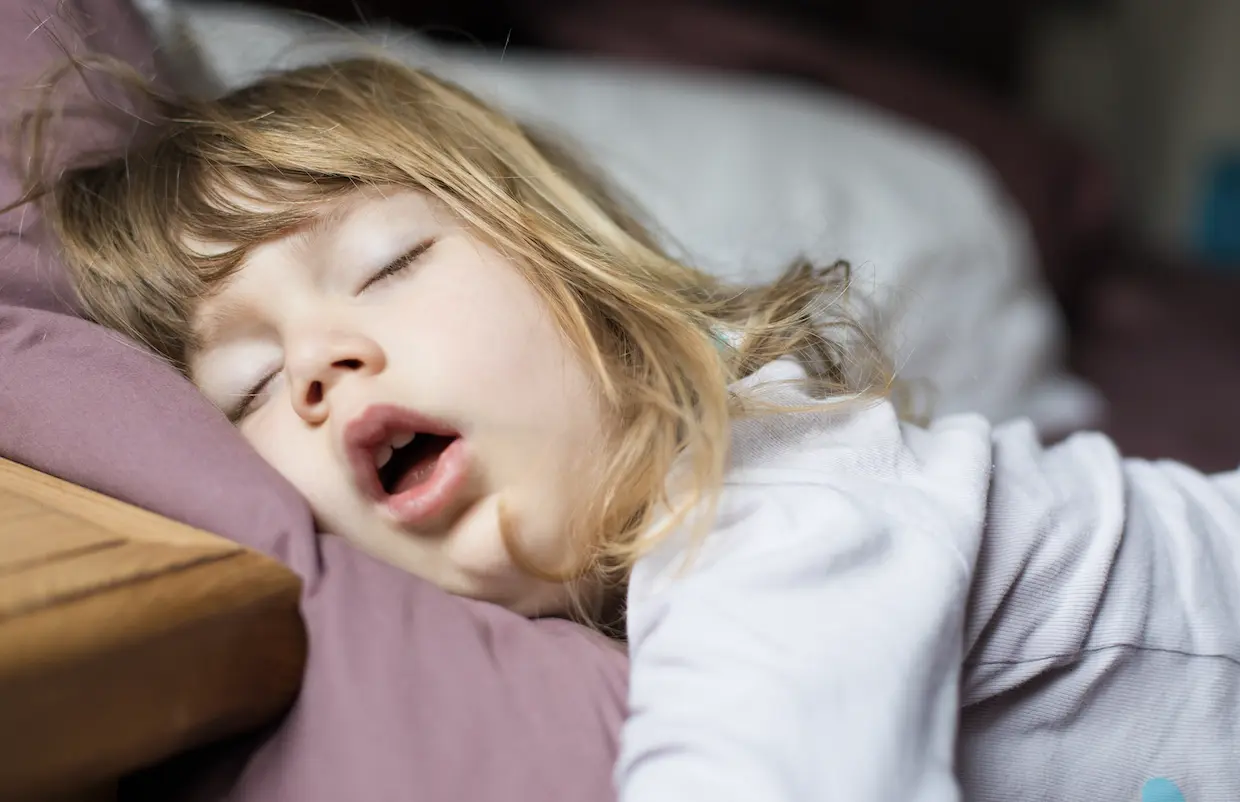
Gasping or labored breathing shows your child struggling for air. You might hear occasional choking sounds or notice their chest working extra hard during sleep. Some children sleep with their mouths wide open trying to get more air.
Daytime Signs Everyone Misses
Sleep apnea symptoms follow your child through their waking hours. These daytime indicators often get misinterpreted as behavioral or developmental issues. Inattention and hyperactivity look identical to ADHD symptoms as your child can’t focus on homework or classroom lessons.
Here are the daytime warning signs parents often overlook:
- Excessive sleepiness during activities that should engage them
- Difficulty waking up despite spending adequate time in bed
- Morning headaches that fade as the day progresses
- Chronic mouth breathing throughout the day
- Behavioral issues like irritability or emotional outbursts
- Academic struggles that seem out of character
- Social withdrawal from activities they previously enjoyed
- Bedwetting that continues or restarts after being potty-trained
Morning disorientation and persistent tiredness reveal poor sleep quality. Your child seems groggy for hours after waking. Bedwetting in older children sometimes connects to sleep apnea as the condition affects bladder control during sleep.
Physical Traits That Increase Risk
Certain anatomical features and health conditions raise sleep apnea likelihood. Recognizing these risk factors helps you stay vigilant for symptoms. Enlarged tonsils and adenoids are common culprits as the tissue physically blocks the airway when your child lies down.
| Risk Factor | Why It Matters | Action to Take |
| Enlarged Tonsils/Adenoids | Physically blocks airway during sleep | Request evaluation during dental visits |
| Narrow Jaw Structure | Leaves less room for tongue and airway | Discuss with orthodontist or sleep dentist |
| Childhood Obesity | Extra tissue narrows breathing passages | Work with pediatrician on healthy weight |
| Down Syndrome | Affects muscle tone and airway structure | Schedule regular sleep assessments |
| Chronic Allergies | Causes nasal congestion and inflammation | Consider allergy testing and treatment |
| Family History | Genetic predisposition to airway issues | Inform all healthcare providers |
Jaw structure affects airway size significantly. A narrow or recessed jaw leaves less space for the tongue. Orthodontic evaluation becomes important when these structural issues exist.
Environmental factors compound genetic risk. Allergens in your home can worsen airway inflammation. Second-hand smoke exposure damages developing airways. Camilla’s training programs teach dental teams to screen for these overlapping symptoms.
When Symptoms Get Misdiagnosed
Wrong diagnoses delay proper treatment and allow damage to continue. Understanding these patterns helps you push for complete evaluation. Behavioral diagnoses miss the underlying sleep problem as your child gets labeled as oppositional or defiant.
Learning disability diagnoses sometimes mask sleep issues. Your bright child suddenly struggles with reading or math. But if sleep apnea is the root cause, those interventions won’t fix the problem because memory consolidation happens during quality sleep that your child isn’t getting.
Emotional health diagnoses can stem from chronic fatigue. Mood swings, anxiety, and depression symptoms all connect to disrupted sleep. These interventions might help symptoms but won’t address the cause if sleep apnea is creating emotional instability.

Taking Action on What You Notice
Your observations matter more than you realize. Parents who document symptoms help healthcare providers make accurate diagnoses. Detailed sleep logs provide crucial evidence by recording snoring patterns, breathing pauses, and unusual sleep positions.
Video recording during sleep captures what words can’t describe. Recordings show doctors exactly what happens at night. Most smartphones make this documentation easy as just a few nights of footage provides valuable diagnostic information.
Professional consultation should happen promptly when symptoms persist. Don’t wait to see if your child outgrows the problem. Dental practices trained by Camilla Ohl and her team can perform initial airway screenings.
Knowing When to Escalate Concerns
Certain symptom patterns require immediate professional evaluation. Understanding these triggers helps you act decisively. Consistent snoring combined with observed breathing pauses needs attention as if you see your child stop breathing during sleep, schedule an evaluation quickly.
Dramatic behavioral changes that don’t improve with typical interventions warrant investigation. When discipline and routine adjustments don’t help, consider sleep quality. Physical symptoms that persist despite treatment deserve deeper investigation as morning headaches that happen regularly need explanation.
Resources for Parents and Dental Practices
Getting proper care requires finding providers who understand pediatric sleep breathing. Resources exist to help families navigate this journey. Dental practices trained in sleep medicine offer comprehensive screening as these teams evaluate airway development during routine visits.
Educational materials help parents understand the condition better. Workshops and guides explain how sleep apnea affects children differently than adults. Professional networks connect families with specialized care as sleep specialists, ENTs, and trained dentists work together on complex cases.
Treatment approaches vary based on each child’s specific situation. Some children benefit from oral appliances that support airway development. Others need surgical intervention for enlarged tonsils. What works best depends on your child’s unique anatomy, age, and symptom severity.
Prevention Through Early Detection
Catching problems early prevents serious complications from developing. Smart monitoring protects your child’s health from the start. Regular dental visits should include airway evaluation as practices integrated with sleep medicine screening check jaw development and tonsil size.
Tracking developmental milestones reveals subtle delays. Growth charts show if height or weight gain slows unexpectedly. Academic progress compared to peers indicates cognitive development. These measurements provide baseline data for spotting changes.
Home environment optimization supports healthy breathing. Keep bedrooms free from allergens and dust. Maintain comfortable temperature and humidity levels. Establish consistent sleep schedules and calming bedtime routines.
Building Awareness in Your Community
Knowledge about pediatric sleep apnea protects more children when shared widely. Parents who learn these signs can help other families recognize symptoms. Schools benefit from understanding how sleep affects learning and behavior.
Camilla Ohl’s consulting work focuses on building these professional networks where dentists, pediatricians, and sleep specialists communicate effectively. Her experience securing over 350 dental partners at VIVOS and two decades in the dental industry help practices integrate comprehensive sleep medicine services. Parents serve as the first line of defense in identifying sleep problems.
Finding dental and medical providers trained in sleep medicine ensures your child receives care tailored to their unique needs. Contact Camilla Ohl today for a consultation to find trained providers in your area or to learn how dental practices can integrate sleep apnea screening into their services.
Don’t let uncertainty hold you back. Schedule a consultation today and start building a thriving dental sleep practice with Ohl Consulting!
Ohl Practice Management & Consulting
connect@ohlpracticeconsulting.com
Frequently Asked Questions
What are some less obvious signs of pediatric sleep apnea?
Beyond loud snoring, watch for irregular sleep patterns and frequent position changes. Daytime drowsiness despite adequate time in bed signals poor sleep quality. Inattention or hyperactivity that looks like ADHD might actually be exhaustion. Bedwetting in older children, morning headaches, and chronic mouth breathing all deserve evaluation. Developmental delays or academic struggles can stem from disrupted sleep affecting brain function.
Can pediatric sleep apnea be misdiagnosed as ADHD?
Symptoms overlap significantly between sleep apnea and ADHD. Hyperactivity, inattention, and impulsiveness appear in both conditions. Children with disrupted sleep often get diagnosed with ADHD and put on medication when breathing problems are the actual cause. Any child showing ADHD-like symptoms alongside disturbed sleep patterns deserves sleep apnea screening as part of comprehensive assessment before starting ADHD treatment.
What are the risk factors for pediatric sleep apnea?
Anatomical traits like enlarged tonsils, adenoids, or narrow jaw structure increase risk significantly. Health conditions including childhood obesity, Down syndrome, and chronic allergies raise likelihood. Family history of sleep apnea suggests genetic predisposition. Environmental factors like allergen exposure or second-hand smoke worsen airway inflammation. Children with these risk factors need regular monitoring even without obvious symptoms.
The information on this page is provided to help you understand general dental care and the preventive services we offer. It’s not a substitute for professional diagnosis or individualized treatment. Every patient’s needs are different, and your dentist will evaluate your oral health before recommending any specific care or procedure. (For personalized guidance, please schedule an appointment with a licensed dental professional.)


