
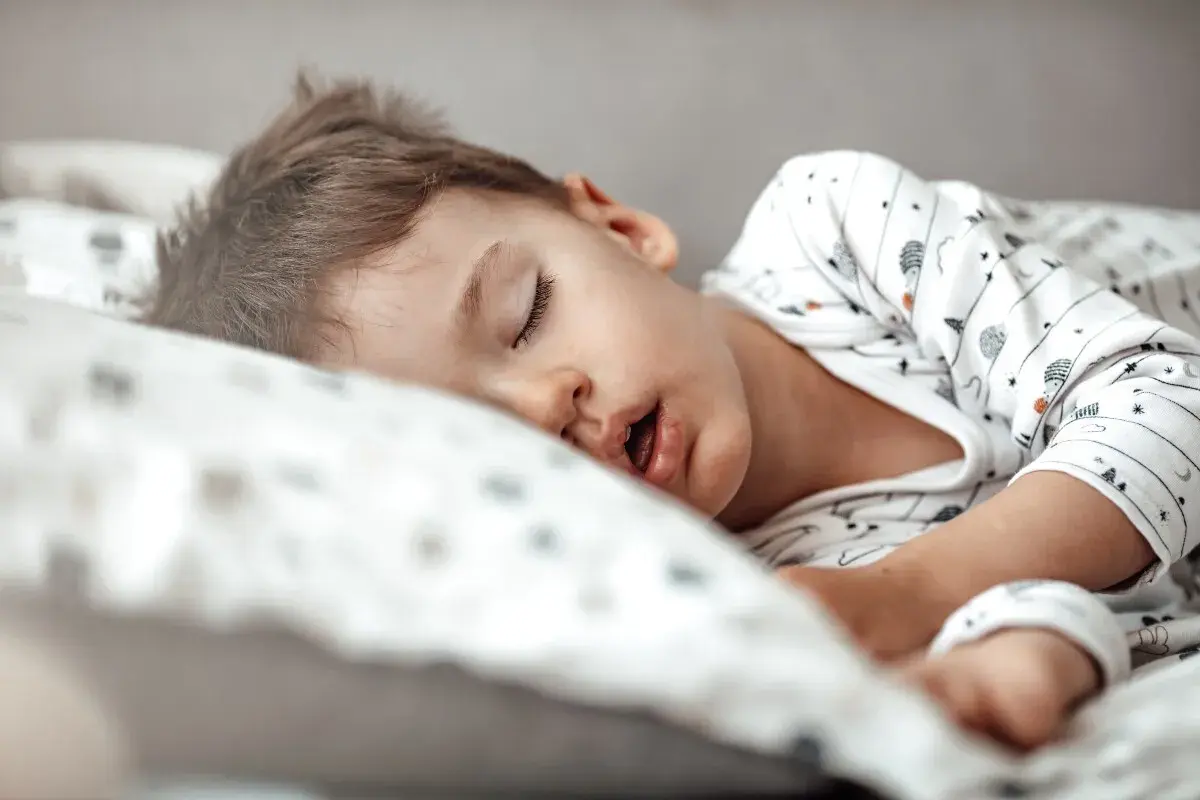
Your child snores occasionally and you think it’s cute. But how do you know when snoring indicates sleep apnea? Camilla Ohl trains healthcare providers through Ohl Practice Management & Consulting to help families distinguish harmless snoring from dangerous sleep-disordered breathing. Her experience helping practices integrate pediatric airway care reveals that parent awareness makes the critical difference in early detection.
Not all snoring equals sleep apnea. But persistent loud snoring with breathing pauses demands evaluation. Understanding the difference between benign and pathological snoring helps you recognize when your child needs medical attention. Early identification prevents cognitive delays, behavioral problems, and cardiovascular strain.
Why Parent Awareness Changes Everything
Parents observe sleep patterns healthcare providers never see. Your vigilance serves as the first defense against undiagnosed pediatric sleep apnea.
Recognize your child’s snoring characteristics. Note frequency, volume, and associated symptoms like gasping or breathing pauses. Compare these observations against typical sleep patterns. Early indications of underlying disorders often appear through these subtle differences.
Here’s what parents need to understand about snoring risks:
- Occasional soft snoring during colds is usually harmless
- Loud habitual snoring most nights warrants evaluation
- Snoring with breathing pauses signals airway obstruction
- Restless sleep combined with snoring indicates problems
- Daytime symptoms reveal nighttime breathing struggles
- Untreated sleep apnea affects multiple body systems
- Early intervention prevents long-term complications
- Professional evaluation provides accurate diagnosis
Understanding the stakes motivates appropriate action. Beyond disturbed sleep, untreated sleep apnea leads to cognitive delays and behavioral problems. Strain on young hearts and lungs develops over time. Appreciating these consequences helps parents recognize why medical intervention becomes necessary.
Partnering with healthcare professionals ensures informed approaches. Collaboration with trained providers supports proper diagnosis and treatment decisions. This partnership safeguards children’s health through expert guidance complementing parental dedication.
Distinguishing Harmless from Dangerous Snoring
Accurately differentiating between benign and pathological snoring enables early detection and treatment. This distinction prevents risks associated with underdiagnosis.
| Snoring Type | Characteristics | Associated Symptoms | Action Needed |
| Benign | Infrequent, mild, doesn’t disrupt sleep | None, child seems rested | Monitor, no immediate concern |
| Pathological | Regular, loud, accompanied by disruptions | Gasping, pauses, restlessness | Medical evaluation required |
| Situational | During illness only, resolves quickly | Congestion from cold or allergy | Watch pattern, evaluate if persistent |
| Obstructive | Every night, progressively worsening | Mouth breathing, behavioral changes | Urgent professional assessment |
Pattern recognition reveals concerning trends. Benign snoring occurs infrequently and remains mild without interrupting restful sleep. Pathological snoring happens regularly with louder volume. Telltale breathing disruptions or restlessness hint at obstructed airways.
Impact assessment guides response urgency. When pathological snoring gets mistaken for benign, delays in intervention lead to significant consequences. Without necessary medical attention, children with sleep apnea face developmental challenges. Poor school performance stems from impaired cognitive function. Behavioral issues emerge from chronic exhaustion.
Proper diagnosis requires accurate communication. Parents must convey snoring patterns and characteristics to healthcare professionals clearly. This ability proves pivotal in securing correct diagnosis. It paves the way for proper treatment ensuring optimal growth and health.
Why Persistent Loud Snoring Can’t Be Ignored
Dismissing persistent loud snoring as normal masks underlying health conditions. Recognizing this as a key indicator necessitates vigilance and prompt consultation.
Aberrant snoring patterns deserve investigation. Parents must identify frequencies and volumes deviating from norms. When loud snoring couples with supplementary symptoms like restless sleep or gasping episodes, deeper investigation into respiratory health becomes necessary.
Concurrent symptoms paint complete pictures. Frequent awakenings or mouth breathing point to compromised sleep quality. These signs substantially contribute to understanding children’s nocturnal experiences. Parents should monitor carefully as patterns emerge.
Professional insight provides accurate assessment. Once symptoms are spotted, seeking medical evaluation becomes the critical next step. Early accurate detection leads to timely interventions. This potentially mitigates sleep apnea’s impact on health and development.
Age-Specific Symptom Presentations
Sleep apnea symptoms vary across developmental stages. Understanding these variations enables accurate identification and age-appropriate management.
Developmentally informed monitoring recognizes stage-specific presentations. Infants may show irregular breathing and unusual sleep patterns. Toddlers exhibit more behavioral signs like irritability or hyperactivity. Adolescents present through daytime drowsiness or concentration challenges often misattributed to typical teenage behavior.
Symptom evolution requires dynamic surveillance approaches. What starts as snoring in toddlers could progress to serious complications like growth issues or academic challenges in older children. Left unaddressed, these problems compound over developmental periods.
Customized approaches address age-specific needs. Both parents and healthcare providers need continuous education on age-specific sleep health. Pediatricians and sleep specialists must conduct age-sensitive assessments. Treatment plans should be as effective for preschoolers as for teenagers. Treatment effectiveness depends on matching interventions to your child’s developmental stage and specific symptoms. What works for a toddler differs from what helps a teenager, which is why working with experienced pediatric specialists ensures age-appropriate care rather than one-size-fits-all approaches.
Empowering Parents Through Education
Proactive informed approaches address pediatric sleep apnea effectively. Parent empowerment through education and communication safeguards children’s wellbeing.
Enhanced knowledge starts with understanding sleep apnea fundamentals. Learn what it is, potential health effects, and importance of early detection. As knowledge grows, parents become adept at identifying symptoms. They understand when concern is warranted and realize the importance of appropriate intervention.
Document sleep patterns systematically. Parents should meticulously log sleeping habits and observed symptoms. Note loud snoring, breathing pauses, or restlessness. This symptom diary becomes a vital tool for healthcare providers. It enables accurate diagnosis and effective treatment planning.
Engage healthcare providers actively. Open thorough communication with professionals is vital. Discuss observations and concerns based on documented sleep patterns. Parents become active participants in diagnosis and management. This facilitates better outcomes for children.
Knowing When to Seek Medical Help
Deciding to seek medical assistance relies on observing specific patterns. Clear decision criteria and escalation triggers enable timely action.
Chronic snoring patterns serve as primary triggers. Consistent loud snoring over extended periods needs evaluation. This especially applies when snoring persists beyond typical cold or respiratory infection duration. Persistent patterns indicate issues aren’t transient.
Sleep interruptions intensify concerns. Watch for frequent awakenings or restlessness. When these signs coincide with habitual snoring, professional assessment becomes necessary. These combined symptoms suggest more than simple snoring.
Daytime behavioral changes reveal nighttime problems. Note new or worsening symptoms like excessive sleepiness or difficulty concentrating. Behavioral changes suggest compromised sleep quality potentially linked to sleep apnea. These merit immediate medical attention.
Finding Expert Support and Guidance
Managing pediatric sleep apnea requires access to expert guidance and structured support. Professional partnerships enable comprehensive care.
Partner with experienced specialists. Connections with pediatric sleep experts provide comprehensive treatment avenues. These collaborations equip families with networks of professionals addressing specific concerns. Targeted care comes from experienced practitioners understanding pediatric sleep disorders.
Navigate treatment options with clear direction. Families need guidance when seeking diagnosis and exploring alternatives. Facilitating access to various therapeutic approaches allows consideration of individualized care plans. These align with unique needs and circumstances.
Continuous care maintains respiratory wellness. Beyond initial treatment, ongoing management ensures sustained health. This includes follow-up appointments, sleep habit reviews, and treatment plan adjustments. Accommodating growth and condition changes requires adaptive care. Camilla Ohl’s training programs help practices provide this comprehensive ongoing support.
Prevention Through Healthy Habits
Incorporating preventive measures and establishing best practices dramatically lowers sleep apnea risk. Health-oriented behaviors and environmental adjustments ward off triggers.
Optimize sleep environments as prevention foundations. Ensure bedrooms are quiet, dark, and comfortable. Establish regular sleep routines. Maintain healthy weight through diet and exercise. These measures prevent sleep apnea development by reducing airway obstruction likelihood during sleep.
Adopt consistent health habits. Balanced diets aid weight management while reducing inflammation and congestion contributing to obstruction. Regular physical activity keeps respiratory systems robust. This deters onset of sleep apnea symptoms naturally.
Monitor vigilantly for developing signs. Diligent observation allows early intervention when symptoms appear. Parents noticing loud snoring or breathing pauses can make immediate adjustments. Lifestyle or sleep environment changes create swift responses to potential indicators. This proactive approach promotes continued sleep health.
Supporting Your Child’s Sleep Health
Addressing pediatric sleep apnea requires comprehensive approaches combining education and ongoing support. Professional partnerships ensure children’s welfare and promising futures.
Holistic guidance provides complete support networks spanning the continuum of care. Camilla Ohl’s work at Ohl Practice Management & Consulting, built on two decades of dental industry experience, helps practices educate families on early signs and home management strategies. This comprehensive approach addresses sleep apnea as children grow and needs evolve.
Community health commitment transcends individual care. Services foster collective welfare through awareness and preventive care benefiting entire communities. This approach targets youngest members’ wellbeing creating foundations for healthier populations.
Informed parents drive positive outcomes for children with sleep concerns. Contact Camilla Ohl for guidance on finding specialists trained in pediatric sleep apnea or to learn how practices can better educate families about distinguishing benign snoring from serious breathing disorders requiring intervention.
Don’t let uncertainty hold you back. Schedule a consultation today and start building a thriving dental sleep practice with Ohl Consulting!
Ohl Practice Management & Consulting
connect@ohlpracticeconsulting.com
Frequently Asked Questions
My child snores; does this mean they have sleep apnea?
Snoring can indicate sleep apnea but not all snoring causes alarm. Occasional soft snoring is often benign and temporary. Regular loud snoring might indicate sleep apnea though. Watch for other symptoms like gasping for air or breathing pauses during sleep. Consider consulting healthcare professionals if snoring happens most nights or seems loud.
What are the risks if my child’s snoring is ignored?
Ignoring persistent pathological snoring allows underlying health issues to progress untreated. Sleep apnea affects cognitive and behavioral development significantly. Cardiovascular health suffers from chronic oxygen deprivation. Academic performance declines as exhausted brains struggle with learning. Monitor your child’s snoring carefully and seek medical advice for frequent occurrences.
How can I help manage my child’s snoring and potential sleep apnea?
Maintain consistent bedtime routines ensuring comfortable sleep-conducive environments. Encourage healthy lifestyle habits including balanced nutrition and regular physical activity. Monitor for any sleep apnea symptoms documenting patterns you observe. Maintain open communication with healthcare professionals for ongoing support and management strategies. Early intervention produces best outcomes.
The information on this page is provided to help you understand general dental care and the preventive services we offer. It’s not a substitute for professional diagnosis or individualized treatment. Every patient’s needs are different, and your dentist will evaluate your oral health before recommending any specific care or procedure. (For personalized guidance, please schedule an appointment with a licensed dental professional.)


