Most pediatric practices miss sleep apnea cases because they don’t screen for them. Camilla Ohl has spent five years training dental practices to integrate sleep apnea screening into routine care. Through her work at Ohl Practice Management & Consulting, she’s seen how simple screening tools catch problems that would otherwise go unnoticed for years. Her experience helping over 350 dental practices implement these systems shows that early detection changes everything.
Screening tools make finding sleep apnea easier than most healthcare providers realize. Questionnaires ask the right questions. Overnight oximetry measures oxygen levels at home. These non-invasive approaches identify at-risk children without expensive sleep studies. When practices adopt these tools, they catch problems early and connect families with proper treatment before damage accumulates.
Why Screening Matters More Than You Think
Sleep apnea in children gets missed constantly. Practitioners assume it’s rare or only affects overweight kids. This outdated thinking leaves countless children suffering without diagnosis.
The condition shows up more often than people realize. Kids struggling in school might have undiagnosed sleep apnea. Children labeled as hyperactive could be exhausted from disrupted sleep. Recognizing how common this problem is changes how healthcare providers approach routine checkups.
Early detection prevents serious complications from developing. When caught quickly, treatment can stop growth problems before they start. Learning difficulties improve once breathing normalizes. Behavioral issues often resolve when sleep quality improves. The sooner you identify sleep apnea, the better the child’s outcomes.
Implementing screening into regular care works better than waiting for obvious symptoms. Training staff takes minimal time. Adding questions to intake forms costs nothing. These small changes create huge improvements in detection rates. When screening becomes routine, fewer children slip through the cracks.
The Adult Misconception Hurting Kids
Too many healthcare providers think sleep apnea only affects adults. This belief delays diagnosis and allows preventable damage to occur in children.
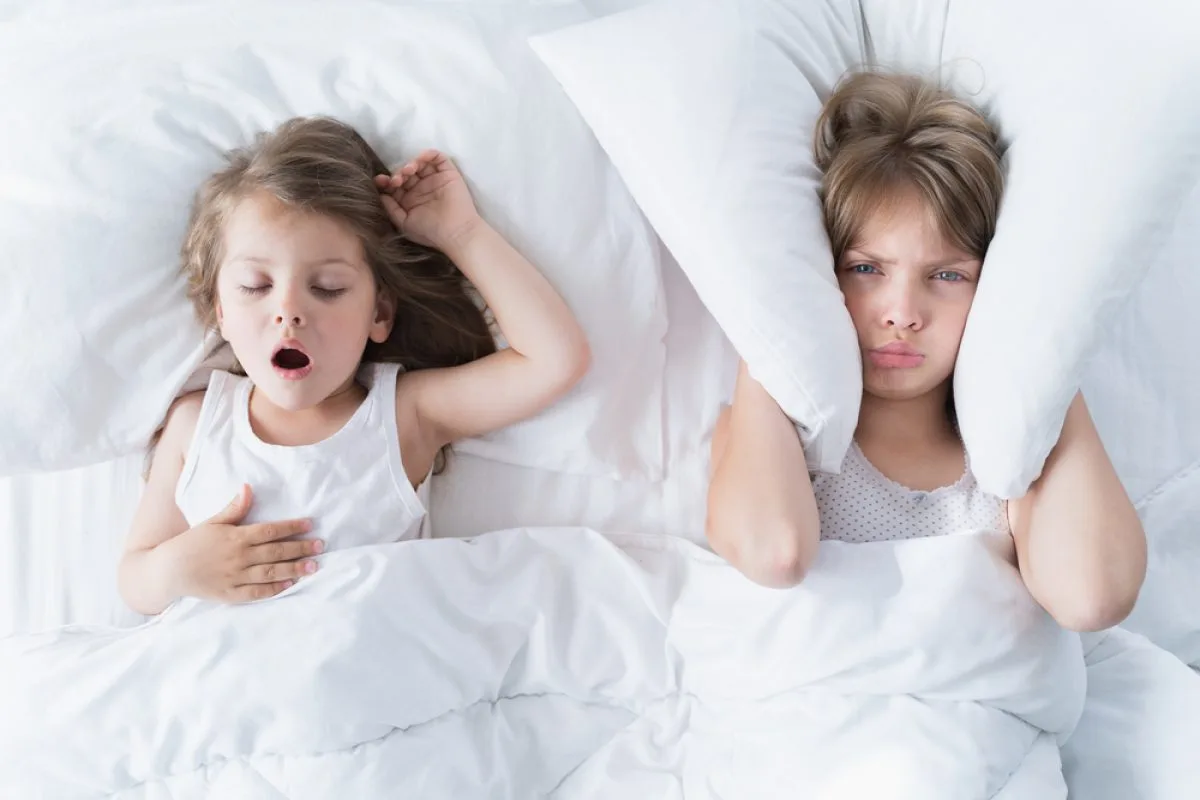
Recognizing that children get sleep apnea is the first step. The condition looks different in kids than adults. Children don’t always snore loudly. They might not complain about being tired. These differences mean providers miss cases when they only look for adult symptoms.
Education changes how practitioners approach pediatric patients. Learning the specific signs in children helps providers screen more effectively. Understanding risk factors guides them toward which kids need closer evaluation. Training programs like those Camilla offers through Ohl Consulting give dental teams the knowledge to spot warning signs during routine exams.
Here’s what effective screening programs include:
- Validated questionnaires that parents complete during checkups
- Overnight oximetry for at-risk children to measure oxygen levels
- Training for staff on recognizing sleep apnea symptoms
- Clear referral pathways to sleep specialists when needed
- Follow-up protocols to ensure families get proper care
- Integration with electronic health records for tracking
- Regular review of screening results to improve processes
Standardized tools improve detection dramatically. Questionnaires like the IF-SLEEPY and IM-SLEEPY scales ask targeted questions about sleep patterns and daytime behaviors. Oximetry devices measure oxygen saturation throughout the night. These objective measurements guide clinical decisions and prioritize children who need immediate intervention.
Resource Challenges in Sleep Medicine
Sleep labs get overwhelmed because too many children need testing. Long wait times delay diagnosis and treatment. Smarter screening helps manage these limited resources better.
Sleep lab capacity can’t keep up with demand. Months-long waiting lists are common in many areas. Children’s symptoms worsen while families wait for appointments. This bottleneck creates frustration and allows health problems to compound.
| Screening Tool | Cost | Time Required | Where Used | Accuracy Level |
| Parent Questionnaires | Free-Low | 5-10 minutes | Any setting | Good for initial screening |
| Overnight Oximetry | Moderate | One night at home | Home use | High for oxygen issues |
| Sleep Study (PSG) | High | Overnight in lab | Sleep centers | Gold standard diagnostic |
| Video Recording | Free | Parent-collected | Home use | Helpful supplemental data |
Preliminary screening tools filter out cases that don’t need full sleep studies. Oximetry performed at home identifies children with oxygen desaturation. Questionnaires flag behavioral and symptom patterns. These initial assessments ensure only children who truly need comprehensive testing get referred to sleep labs.
Care coordination between providers improves resource use. When primary care doctors, dentists, and sleep specialists communicate, referrals become more targeted. Children who need urgent evaluation get prioritized. Those with milder concerns can be monitored or treated without extensive testing. This collaboration makes the entire system work more efficiently.
Getting Providers to Actually Use Screening Tools
Changing clinical routines takes effort. Many practitioners see screening as extra work rather than essential care. Shifting this mindset is crucial for widespread adoption.
Practitioner perception needs adjustment first. Framing screenings as burden creates resistance. Showing how quick and easy these tools are reduces hesitation. Demonstrating improved patient outcomes motivates providers to embrace new protocols. When dental practices see children’s lives improve, they become enthusiastic advocates.
Making screening a standard practice embeds it into regular workflow. Every wellness visit should include sleep health questions. Dental exams should evaluate airway development and tonsil size. When these assessments become automatic, no child gets overlooked. Camilla’s consulting work focuses on making integration seamless so practices maintain it long-term.
Aligning with preventive healthcare trends strengthens the case for screening. Modern medicine emphasizes catching problems early. Sleep apnea screening fits perfectly into this approach. It prevents complications rather than treating them after they develop. This proactive stance matches where healthcare is heading overall.
Building Effective Screening Programs
Successful implementation requires clear strategies. Random screening doesn’t work as well as systematic approaches with proper support.
Validated screening tools form the foundation. The IF-SLEEPY and IM-SLEEPY questionnaires have proven reliability. Overnight oximetry provides objective data about oxygen levels. Using tools with research backing ensures accurate results and clinical credibility.
Provider education makes tools work properly. Understanding how to administer questionnaires matters. Interpreting oximetry results requires training. Workshops and ongoing support help practitioners gain confidence. Camilla’s programs at Ohl Consulting provide this comprehensive training that dental teams need to succeed.
Raising care standards benefits everyone involved. Practices that implement screening distinguish themselves from competitors. Children receive better preventive care. Families appreciate thorough attention to their child’s health. This elevated standard becomes the new baseline for quality pediatric and dental care.
Knowing When to Escalate to Specialists
Initial screening identifies potential problems. Knowing when to refer for comprehensive evaluation is equally important.
Mixed-method assessment provides the clearest picture. Combining questionnaire responses with oximetry data gives providers confidence in their decisions. Symptoms reported by parents plus objective oxygen measurements create a compelling case for further evaluation.
Key markers trigger immediate referral. Significant oxygen desaturation during sleep needs specialist attention. Consistent reports of breathing pauses warrant investigation. Behavioral problems coupled with sleep symptoms suggest urgent evaluation. These clear indicators remove guesswork from escalation decisions.
Timely intervention prevents damage from accumulating. Once screening identifies a problem, quick action matters. Delays allow symptoms to worsen and complications to develop. Swift referrals to sleep specialists keep treatment timelines tight. This responsiveness protects children’s development during critical growth periods.
Treatment approaches vary based on each child’s specific situation and screening results, which makes proper evaluation essential. Some children need immediate intervention while others can be monitored. Working with qualified specialists ensures families receive guidance tailored to their child’s unique needs rather than generic recommendations.
Support Systems That Make Screening Work
Implementation succeeds when practices have proper support. Training and technology create sustainable screening programs.
Educational workshops build provider knowledge. Understanding sleep apnea’s impact on children motivates careful screening. Learning about risk factors guides clinical judgment. Training on tool administration ensures accurate results. These educational foundations make screening programs effective from day one.
Technology integration streamlines the process. Electronic health records can include screening questionnaires. Automated reminders prompt staff to conduct assessments. Digital tracking shows which children need follow-up. These systems make screening manageable within busy practice schedules.
Preventive care emphasis attracts provider buy-in. Practitioners want to help patients avoid problems. Framing screening as prevention rather than added burden changes attitudes. When providers see themselves protecting children’s futures, enthusiasm for screening grows naturally.
Best Practices for Ongoing Success
Starting a screening program is just the beginning. Maintaining and improving it requires commitment to best practices.
Routine screening becomes part of practice culture. Every appropriate visit includes sleep health assessment. Staff expect to conduct screenings. Providers review results consistently. This normalized approach ensures no child gets missed due to inconsistent application.
Focusing on high-risk groups maximizes impact. Children with enlarged tonsils need closer monitoring. Kids with family history of sleep apnea warrant more attention. Those showing behavioral or academic struggles deserve evaluation. Targeting these groups catches more cases with available resources.
Continuous improvement keeps programs effective. Reviewing screening outcomes shows what’s working. Provider feedback identifies obstacles to implementation. Regular updates on new research keep approaches current. This commitment to refinement ensures screening programs get better over time rather than stagnating.
Transforming Pediatric Care Through Screening
Screening tools revolutionize how healthcare catches childhood sleep apnea. Simple, non-invasive approaches identify problems that once went unnoticed for years.
Camilla Ohl’s two decades in the dental industry and specialized focus on sleep apnea integration have shown that provider education drives better patient outcomes. Her work at Ohl Practice Management & Consulting, building on her experience securing 350-plus dental partners at VIVOS, helps practices implement sustainable screening systems. These programs transform how providers approach pediatric airway health.
Standardized methodologies create consistency across care settings. When practices use validated questionnaires and oximetry, results become comparable and reliable. This consistency improves communication between providers and enhances overall care coordination. Children benefit from a network of trained professionals watching for sleep breathing problems.
The commitment to continuous improvement in healthcare delivery ensures screening programs evolve with emerging research. Better tools and techniques develop constantly. Practices that stay current with best practices provide the highest quality care. Contact Camilla Ohl today for a consultation on integrating sleep apnea screening into your practice or to find trained providers who can evaluate your child using these comprehensive assessment tools.
Don’t let uncertainty hold you back. Schedule a consultation today and start building a thriving dental sleep practice with Ohl Consulting!
Ohl Practice Management & Consulting
connect@ohlpracticeconsulting.com
Frequently Asked Questions
Why is early screening for childhood sleep apnea important?
Early detection allows intervention before serious complications develop. Untreated sleep apnea affects growth, learning, behavior, and long-term health. Catching problems early prevents years of disrupted development. Treatment works better when started sooner. Screening identifies at-risk children who might otherwise go undiagnosed until significant damage occurs.
What tools are used for screening childhood sleep apnea?
Validated questionnaires like IF-SLEEPY and IM-SLEEPY scales ask targeted questions about sleep patterns and daytime behaviors. Overnight oximetry measures oxygen levels at home using small devices. These non-invasive tools provide reliable initial assessment. Video recordings of sleep can supplement screening. Full sleep studies in labs remain the diagnostic gold standard but aren’t needed for every child.
Can childhood sleep apnea be managed successfully?
Sleep apnea responds well to treatment when caught early. Options include airway development therapy, tonsil removal, oral appliances, and lifestyle changes. Most children see significant improvement with appropriate intervention. The key is identifying the problem through screening and getting proper evaluation. Early management prevents complications and supports healthy development throughout childhood.
The information on this page is provided to help you understand general dental care and the preventive services we offer. It’s not a substitute for professional diagnosis or individualized treatment. Every patient’s needs are different, and your dentist will evaluate your oral health before recommending any specific care or procedure. (For personalized guidance, please schedule an appointment with a licensed dental professional.)


