
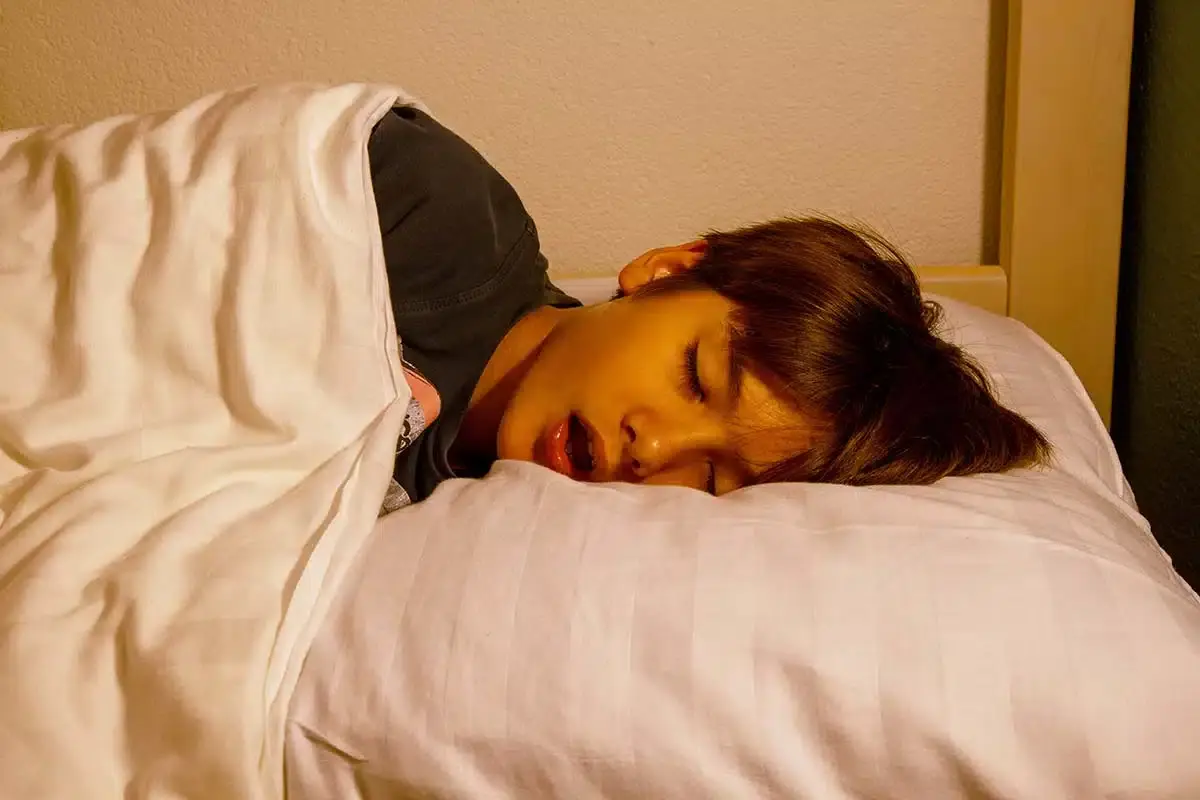
Newborn breathing patterns worry new parents constantly. Every pause feels scary. Every unusual sound causes concern. Camilla Ohl works with dental practices nationwide through Ohl Practice Management & Consulting to help healthcare providers recognize when breathing issues need evaluation. Her years training practitioners to identify airway problems have shown that early detection in infancy prevents complications that last a lifetime.
Sleep apnea in newborns looks nothing like sleep apnea in older children or adults. The signs are subtle and easy to dismiss as normal baby behavior. Understanding what to watch for helps parents and healthcare providers catch problems when intervention works best. Quick recognition and proper treatment protect developing brains and growing bodies.
Why Newborn Sleep Apnea Gets Missed
Infant sleep apnea symptoms don’t announce themselves loudly. They hide behind behaviors that seem normal for babies. This makes early detection challenging but critical.
Subtle breathing patterns confuse even experienced parents. Newborns don’t snore the way older children do. Instead, you might notice persistent mouth breathing or unusual quietness during sleep. These gentle signs carry as much importance as dramatic symptoms. They deserve evaluation despite seeming minor.
Normal baby fussiness masks sleep apnea symptoms. Restlessness, frequent waking, and general discontent happen with all babies. But when these behaviors stem from breathing problems, they persist differently. Infants can’t explain their discomfort. They show it through actions adults often misinterpret.
Here are the subtle red flags parents and providers should watch for:
- Irregular breathing patterns with inconsistent pauses
- Persistent mouth breathing even when nose appears clear
- Unusual quietness during sleep compared to other babies
- Frequent waking without obvious hunger or discomfort
- Feeding difficulties including poor latch or frequent breaks
- Developmental milestones reached later than expected
- Skin color changes during sleep episodes
- Excessive sweating during sleep
The subtlety doesn’t mean the problem is minor. Quiet symptoms can indicate serious issues affecting brain development and growth. Healthcare providers trained through programs like those Camilla offers learn to take these gentle warnings seriously. Early investigation prevents problems from becoming permanent.
Developmental Vulnerabilities in Newborns
Babies face higher risks from sleep apnea than older children because their bodies are still developing critical systems. Understanding these vulnerabilities explains why quick action matters so much.
Immature nervous systems create central sleep apnea risk. The brain doesn’t always send correct signals to breathing muscles. This neurological immaturity means babies can simply forget to breathe. These pauses happen because regulatory mechanisms aren’t fully developed yet. The younger the infant, the higher this risk becomes.
| Risk Factor | How It Affects Newborns | Warning Signs to Watch |
| Underdeveloped Nervous System | Brain signals to breathe are inconsistent | Breathing pauses longer than 20 seconds |
| Immature Respiratory Muscles | Weak muscle tone affects breathing effort | Chest retractions, labored breathing |
| Small Airways | Easier to obstruct physically | Noisy breathing, stridor sounds |
| Poor Muscle Coordination | Difficulty coordinating suck-swallow-breathe | Feeding problems, choking during feeds |
| Premature Birth | All systems less developed | Any breathing irregularity needs evaluation |
Respiratory system development continues after birth. Lung function and respiratory muscles strengthen gradually during the first months. This ongoing development means newborns struggle more with any airway obstruction. Physical blockages that older children might handle become serious problems for tiny airways.
Combined vulnerabilities demand vigilant monitoring. Pediatricians and specialists must stay alert to even subtle signs in the youngest patients. Swift intervention minimizes harm during this critical developmental window. The earlier problems get addressed, the better outcomes become.
Long-Term Impacts Nobody Talks About
Untreated sleep apnea doesn’t just affect immediate health. It creates lasting consequences that shape a child’s entire development and future capabilities.
Cognitive symptoms develop quietly over time. Learning difficulties and memory problems don’t appear dramatically. They emerge gradually as the brain develops without adequate oxygen during sleep. These cognitive impacts might not become obvious until school age. By then, critical developmental windows have closed.
Developmental delays set children behind their peers permanently. Speech development, motor skills, and social interactions all suffer from disrupted sleep. When apnea remains untreated during crucial early months, these delays can become irreversible. Missing developmental milestones in infancy predicts struggles throughout childhood.
Parental awareness bridges the gap between symptoms and treatment. Most parents don’t know infant sleep apnea exists or what it looks like. Education empowers them to recognize concerning patterns and seek help promptly. Knowledge transforms parents into their baby’s first defenders against preventable developmental damage.
Customized Solutions for Tiny Patients
Treating newborn sleep apnea requires approaches designed specifically for their unique needs. Cookie-cutter solutions don’t work for developing infants.
Clinical interventions get tailored to each baby’s situation. Treatment depends on whether the apnea is central, obstructive, or mixed. Sleeping position changes help some infants. Others need specialized equipment or feeding adjustments. This personalization ensures the approach matches the specific problem causing breathing disruptions.
Positioning techniques provide relief for many babies. Safe head elevation during sleep can reduce apnea episodes. Specific positioning during feeding improves coordination of sucking, swallowing, and breathing. Healthcare providers must teach these techniques clearly so parents can apply them confidently at home.
Continuous monitoring and safe sleep practices form the foundation. Parents need education about tracking breathing patterns, episode frequency, and duration. Understanding safe sleep fundamentals prevents accidental worsening of apnea symptoms. Detailed observations help healthcare providers make informed treatment adjustments.

When to Seek Immediate Help
Certain symptoms signal urgent need for medical evaluation. Knowing these triggers helps parents respond appropriately without unnecessary panic or dangerous delays.
Prolonged breathing pauses demand immediate attention. Any pause lasting 20 seconds or longer constitutes a medical emergency. Documentation of these events helps specialists assess severity and urgency. Video recordings during episodes provide valuable diagnostic information.
Persistent symptom patterns throughout nights indicate serious problems. Consistent disrupted sleep with frequent awakenings shows the apnea is significantly impacting the infant. Regular patterns of restlessness or difficulty settling point toward breathing issues rather than typical infant sleep patterns.
Observable physical changes warrant urgent evaluation. Skin color shifts during sleep, increased irritability, or new feeding difficulties all signal worsening problems. These day-to-day changes in baseline health indicate the need for specialist consultation immediately.
Treatment decisions depend on accurate diagnosis and careful monitoring of how each infant responds to interventions. What works well for one baby might not suit another. Consulting with pediatric sleep specialists ensures your newborn receives care specifically designed for their age, symptoms, and underlying causes rather than standard approaches that may not address infant-specific needs.
Finding Support and Expert Guidance
Navigating newborn sleep apnea feels overwhelming for families. Access to proper resources and professional guidance makes this journey manageable.
Specialized management services provide frameworks for understanding the condition. Camilla Ohl’s consulting work at Ohl Practice Management & Consulting helps healthcare providers develop comprehensive approaches to pediatric airway issues. Her experience training over 350 dental practices in sleep medicine integration emphasizes early detection and appropriate referral pathways.
Accredited pediatric sleep centers offer advanced diagnostic capabilities. These facilities have teams specializing in infant sleep disorders. They use age-appropriate diagnostic tools that standard sleep labs might lack. Collaboration between these centers and primary caregivers ensures continuity of care for complex cases.
Emotional support helps families cope with diagnosis and treatment. Support networks connect parents facing similar challenges. Counseling and group sessions provide spaces to share experiences and coping strategies. This support reduces the isolation many families feel when managing infant health conditions.
Prevention Through Vigilance and Education
Best practices in managing pediatric sleep apnea start with prevention and early detection. Healthcare providers play crucial roles in implementing these approaches.
Early detection requires awareness of both common and unusual signs. Medical practitioners must look beyond obvious symptoms to subtle indicators. Appropriate diagnostic testing confirms suspicions and guides treatment planning. Swift diagnosis prevents complications from developing during critical growth periods.
Interdisciplinary collaboration addresses the condition’s complexity. Pulmonologists, neurologists, and otolaryngologists bring different expertise to infant cases. Unified team approaches ensure all aspects of the condition get considered. This comprehensive perspective leads to better treatment outcomes.
Ongoing family communication keeps everyone informed and involved. Regular dialogue about symptoms, progress, and care strategies maintains transparency. Parental understanding grows through consistent updates and education. This partnership between providers and families creates the strongest foundation for managing infant sleep apnea.
Protecting Your Newborn’s Development
Sleep apnea in newborns demands rapid detection and informed action. Early intervention prevents developmental delays and protects long-term health outcomes.
Prompt diagnosis triggers appropriate interventions tailored to newborn needs. Swift recognition initiates treatment that reduces progression risk. Quick action also relieves family anxiety by establishing clear management paths. Camilla Ohl’s work at Ohl Practice Management & Consulting, drawing on two decades of dental industry experience and her track record helping practices integrate sleep medicine, emphasizes building healthcare teams capable of recognizing infant airway issues early.
Caregiver education forms a critical defense against complications. Knowledge empowers parents to detect early signs and respond appropriately. Understanding treatment protocols helps families support their infant’s health journey effectively. This education transforms anxious parents into confident advocates.
Coordinated care brings together medical expertise, family awareness, and structured support. When these elements converge, infant development gets protected during the most vulnerable period. Contact Camilla Ohl for guidance on finding pediatric sleep specialists or to learn how healthcare practices can better identify infants needing airway evaluation.
Don’t let uncertainty hold you back. Schedule a consultation today and start building a thriving dental sleep practice with Ohl Consulting!
Ohl Practice Management & Consulting
connect@ohlpracticeconsulting.com
Frequently Asked Questions
What are the subtle signs of sleep apnea in newborns I should watch for?
Watch for irregular breathing patterns and persistent mouth breathing during sleep. General distress that seems different from typical baby fussiness matters. Feeding difficulties and developmental delays can signal breathing problems. Unusual quietness during sleep deserves attention. Skin color changes or excessive sweating during sleep warrant evaluation. These subtle symptoms often get dismissed but indicate serious issues.
How can I reduce the risk of sleep apnea in my newborn?
Follow safe sleep positioning guidelines recommended by your pediatrician. Maintain regular checkups that include developmental monitoring. Educate yourself about normal versus concerning sleep behaviors. Breastfeeding when possible supports airway development. Avoid smoke exposure which damages developing airways. Stay alert to breathing patterns and report concerns promptly. Proactive awareness helps catch problems before they escalate.
Is sleep apnea in newborns treatable and what steps should I take?
Newborn sleep apnea is absolutely treatable with early intervention. First, document what you observe about breathing patterns and sleep behaviors. Then consult your pediatrician who can refer to pediatric sleep specialists. Follow through with recommended diagnostic testing. Implement prescribed treatments which might include positioning changes, equipment use, or other interventions. Work closely with your healthcare team and maintain open communication throughout treatment.
The information on this page is provided to help you understand general dental care and the preventive services we offer. It’s not a substitute for professional diagnosis or individualized treatment. Every patient’s needs are different, and your dentist will evaluate your oral health before recommending any specific care or procedure. (For personalized guidance, please schedule an appointment with a licensed dental professional.)


