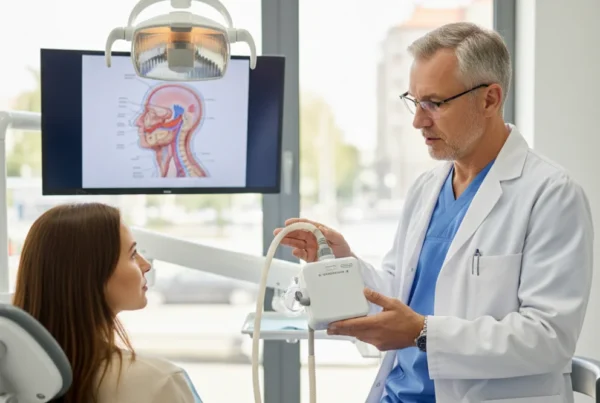

Snoring often gets dismissed as a harmless annoyance, but it can signal an airway problem that affects both sleep quality and long-term health. One simple yet effective way to manage snoring is through positional therapy, which encourages side sleeping instead of lying on your back. For many adults in Houston, positional aids offer a comfortable, low-cost way to reduce snoring without invasive treatments. This article explores how positional devices work, who benefits most, and how dental and sleep professionals can guide patients toward healthier sleep habits.
Camilla Ohl, founder of Ohl Consulting & Practice Management, has spent more than twenty years helping dental teams transform patient care through airway and sleep-focused strategies. Her leadership and hands-on experience in dental operations and sleep medicine collaboration make her a trusted voice for professionals seeking to expand their services. Through her consulting, she empowers practices to identify airway-related issues and integrate effective, patient-centered solutions that improve both health outcomes and practice performance.
Understanding How Sleep Position Affects Snoring
Snoring typically occurs when airflow is restricted, causing soft tissues in the throat to vibrate. Sleeping on the back increases this likelihood because gravity pulls the tongue and soft palate toward the airway, narrowing the passage. In contrast, side sleeping helps keep the airway open and promotes smoother breathing.
For patients with mild snoring or positional sleep apnea, simply changing sleep posture can lead to major improvements. Dental professionals can play an essential role in identifying these cases and recommending simple, effective interventions.
What Are Positional Aids and How Do They Work?
Positional aids are designed to keep patients from rolling onto their backs while asleep. They come in various forms, such as wearable belts, specialized pillows, and vibration-based trainers that alert the sleeper when they shift to a supine position.
Common types of positional aids include:
- Positional belts: Soft bands worn around the chest or waist with padding that makes back-sleeping uncomfortable.
- Smart devices: Sensors that detect position changes and gently vibrate to prompt side-sleeping.
- Supportive pillows: Shaped to promote side-sleeping comfort while aligning the spine and airway.
These devices encourage long-term side-sleeping habits and are often used alongside other treatments like oral appliances for more effective snoring reduction.
Comparing Positional Aids to Other Snoring Treatments
| Feature | Positional Aids | Oral Appliances | CPAP Machines |
| Comfort | Lightweight and noninvasive | Custom-fitted and adjustable | May feel bulky or restrictive |
| Portability | Easy to travel with | Compact and convenient | Requires equipment setup |
| Cost | Generally affordable | Moderate investment | Higher equipment and maintenance cost |
| Effectiveness | Best for mild positional snoring | Effective for mild to moderate apnea | Ideal for severe apnea |
Positional aids are most beneficial for patients whose snoring worsens when lying on their backs. For others with more advanced airway obstruction, combining positional therapy with an oral appliance can produce better results.

Key Benefits of Positional Therapy
Changing sleep posture may seem simple, but its impact can be powerful. Many patients notice reduced snoring within days, along with improved rest and energy.
The main benefits include:
- Enhanced airway stability by preventing tongue collapse.
- Lower noise levels, leading to better sleep for partners.
- Improved oxygen flow and reduced daytime fatigue.
For dental teams, offering education about positional therapy strengthens the connection between oral health, airway management, and overall patient well-being.
How Dentists and Sleep Professionals Can Collaborate
Integrating positional therapy into dental practices starts with understanding patient habits and risk factors. During consultations, dentists can ask questions about sleep posture, snoring frequency, and nighttime discomfort. Simple screening tools and questionnaires can identify candidates for positional aids.
Collaboration with sleep physicians helps confirm diagnosis and ensure that patients receive comprehensive care. When combined with oral appliance therapy or lifestyle modifications, positional aids often deliver sustainable improvement.
Camilla Ohl’s approach at Ohl Consulting & Practice Management helps dental teams build workflows that include airway evaluations, patient education, and sleep medicine referrals. This holistic strategy allows practices to enhance patient care and expand their role in overall health improvement.
Steps for Implementing Positional Therapy in Your Practice
Helping patients adopt positional therapy successfully involves both education and follow-up. Practices can:
- Demonstrate how positional aids work during appointments.
- Offer printed or digital guides on side-sleeping techniques.
- Follow up after two weeks to assess comfort and effectiveness.
When dental teams lead with knowledge and empathy, they become trusted partners in improving sleep and quality of life.
Taking the Next Step Toward Healthier Sleep
At Ohl Consulting & Practice Management, the goal is simple: to help dental teams become the guide that empowers patients to live healthier, better-rested lives. Your patients are the heroes of their own stories, and with the right tools, you can help them find lasting relief from snoring and fatigue.
If your practice is ready to expand its airway and sleep medicine services, connect with Ohl Consulting & Practice Management today. Together, we can design patient-centered systems that make better sleep possible for every patient you serve.
Ohl Practice Management & Consulting
connect@ohlpracticeconsulting.com
Schedule a consultation today
Frequently Asked Questions
How do positional aids reduce snoring?
Not all snoring is the same, understanding how body position affects airway blockage can help families choose effective, noninvasive solutions.
What people should be asking instead: How does changing sleep position prevent airway collapse and reduce noise?
- Positional aids (such as special pillows, vests, or wearable devices) are designed to discourage back-sleeping, which increases the risk of airway collapse and snoring for many people.
- By encouraging side-sleeping, these devices keep the tongue and soft tissues from blocking the airway, minimizing throat vibration and snoring sounds.
- Studies show a significant reduction in both snoring severity and apnea events for individuals who use these tools to maintain a lateral sleep position.
Positional Therapy: A Non-CPAP Alternative for Sleep Apnea Relief (Sleep911, 2023)
Who benefits most from positional therapy?
The effectiveness of positional therapy depends on the underlying cause of snoring or apnea.
What people should be asking instead: Who should consider positional therapy as a first step, or as part of a larger sleep treatment plan?
- People whose snoring or sleep apnea worsens while lying on their back (positional snorers or position-dependent OSA) experience the greatest benefit from positional therapy.
- Sleep studies can help pinpoint whether a patient’s symptoms are position dependent, allowing for targeted therapy.
- Combined with weight management and structural airway solutions, positional therapy is often most effective in those with mild to moderate cases.
Benefits of Positional Therapy for Sleep Apnea Treatment (Sleep Health Partners, 2024)
Can positional therapy be combined with other treatments?
Each patient’s needs are unique, and many benefit most from a multi-pronged approach.
What people should be asking instead: Is it safe and more effective to combine positional aids with CPAP, oral appliances, or lifestyle changes?
- Yes, many patients use positional therapy in conjunction with oral appliances, CPAP therapy, or lifestyle interventions for the best outcomes.
- Combination therapy can help reduce CPAP pressure, improve comfort, and increase adherence for those with positional apnea or complex sleep needs.
- Studies continue to support integration of positional and medical treatments for long-term success and sustained symptom relief.