Snoring is more than a noisy habit, it’s a sign that your airway is struggling to stay open while you sleep. Oral appliances provide an easy, comfortable way to reduce snoring and improve sleep quality without surgery or bulky machines. For adults in Houston who experience disrupted sleep, these small custom devices can make a life-changing difference. This article explains how oral appliance therapy works, how it compares to CPAP, and how dental professionals can integrate this treatment into their practices for better patient outcomes.
Camilla Ohl, founder of Ohl Consulting & Practice Management, brings over two decades of dental industry experience with a strong focus on sleep medicine and airway health. Her background includes leadership roles, business development, and team training in clinical operations. Camilla’s consulting expertise helps dental teams expand their scope of care and improve patient outcomes by integrating proven airway and sleep solutions into everyday practice.
Understanding the Link Between Snoring and Airway Health
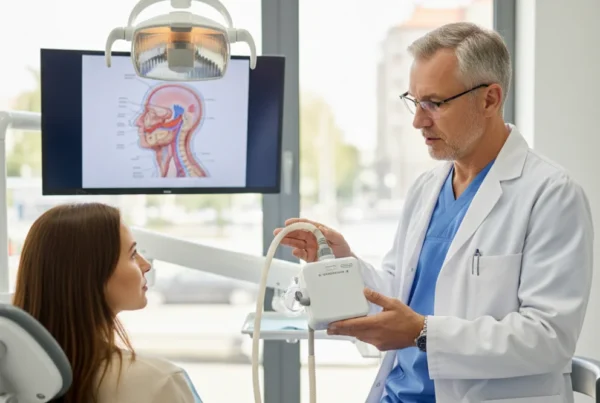
Snoring happens when airflow through the mouth and nose is partially blocked. This blockage causes tissues in the throat to vibrate, producing the familiar sound. While occasional snoring may be harmless, chronic snoring can signal more serious airway issues such as sleep-disordered breathing or obstructive sleep apnea.
For dental professionals, recognizing the connection between oral health and airway function is essential. The shape of the jaw, position of the tongue, and even the bite alignment can all influence how freely a patient breathes at night. By addressing these factors, dentists play a critical role in identifying and managing snoring-related conditions.
How Oral Appliances Help Reduce Snoring
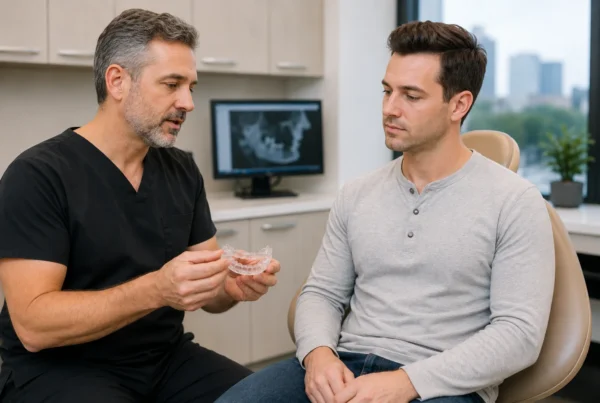
Oral appliances, sometimes called mandibular advancement devices, are custom-made mouthpieces that reposition the lower jaw slightly forward during sleep. This adjustment helps keep the airway open, reducing vibration in the soft tissues and minimizing snoring.
These devices are especially helpful for patients who:
- Experience mild to moderate snoring or sleep apnea.
- Prefer an alternative to CPAP therapy.
- Want a travel-friendly, easy-to-maintain solution.
Each oral appliance is designed for comfort and long-term wear. When properly fitted, they not only improve sleep quality but also promote better oxygen flow and reduce morning fatigue. Patients often notice results within the first few nights of consistent use.
Comparing Oral Appliances and CPAP Therapy
| Feature | Oral Appliance | CPAP Machine |
| Portability | Compact and easy to travel with | Bulky and requires setup |
| Comfort | Custom-fitted, quiet, easy to wear | May feel restrictive or noisy |
| Maintenance | Simple cleaning and upkeep | Requires frequent cleaning and replacement parts |
| Effectiveness | Ideal for mild to moderate snoring or apnea | Best for severe sleep apnea |
Both treatments can be effective, but patient preference often determines long-term success. For individuals who find CPAP uncomfortable or difficult to maintain, oral appliances offer a practical, comfortable alternative.
Benefits of Oral Appliances Beyond Snoring Relief
The impact of oral appliance therapy goes beyond quiet nights. Many patients report better concentration, mood, and overall energy once they begin sleeping more soundly. For dental teams, offering these devices expands their ability to provide comprehensive, health-focused care.
Additional benefits include:
- Improved airway stability during sleep.
- Reduced risk of sleep-related complications.
- Enhanced collaboration between dental and medical providers.
When dentists integrate airway screening and oral appliance therapy into their practice, they help patients address root causes rather than just symptoms.

The Role of the Dental Team in Sleep Medicine
Dental professionals are often the first to spot the signs of airway dysfunction. During routine exams, they may notice indicators such as teeth grinding, scalloped tongues, or worn enamel, all possible signs of sleep-disordered breathing. By working with physicians and sleep specialists, dentists can guide patients toward proper diagnosis and effective treatment.
Camilla Ohl’s consulting experience helps practices build streamlined systems for implementing oral appliance therapy, ensuring staff are trained to recognize symptoms, communicate effectively with patients, and manage follow-ups confidently.
Integrating Oral Appliance Therapy Into Practice
Implementing oral appliance therapy successfully requires clear communication, proper training, and structured patient workflows. Practices can start by:
- Educating patients about the health effects of snoring.
- Incorporating airway evaluations into new patient exams.
- Building partnerships with local sleep clinics for testing and referrals.
Each of these steps helps position the practice as a trusted provider of airway and sleep solutions, enhancing both patient outcomes and overall practice growth.
Taking the Next Step Toward Better Sleep
Every great story begins with a guide who helps the hero overcome their challenge. Your patients are that hero, and your team can be the guide that helps them rest easier and live healthier. At Ohl Consulting & Practice Management, Camilla Ohl helps dental teams build systems that deliver lasting impact through airway-focused care.
If your practice is ready to improve patients’ lives with proven sleep and airway solutions, connect with Ohl Consulting & Practice Management today. Let’s create a path to better sleep, healthier patients, and a stronger practice together.
Ohl Practice Management & Consulting
connect@ohlpracticeconsulting.com
Schedule a consultation today
Frequently Asked Questions
How do oral appliances stop snoring?
Many people seek comfortable, effective alternatives to CPAP for reducing snoring and improving sleep quality.
What people should be asking instead: How does an oral appliance physically change the airway to prevent snoring?
- Oral appliances, custom mouthguards worn during sleep, hold the lower jaw slightly forward, which opens the upper airway and reduces vibration of soft tissues.
- This forward positioning keeps the airway from collapsing and minimizes the vibrations that cause snoring sounds.
- Mandibular advancement devices are the most common type, working by advancing both the jaw and tongue for better airflow.
Oral Appliance Therapy for Obstructive Sleep Apnea (VA.gov, 2025)
Who is a good candidate for oral appliance therapy?
Not everyone responds equally well to different sleep apnea treatments, so understanding candidacy is key for results and safety.
What people should be asking instead: Who benefits most from oral appliance treatment for snoring or sleep apnea?
- Oral appliances are best suited for adults with mild to moderate obstructive sleep apnea or chronic snoring who cannot tolerate or prefer not to use CPAP.
- A dental sleep professional will evaluate your jaw alignment, airway structure, and dental health to ensure you’re a good candidate.
- People with severe apnea, significant jaw pain, or ongoing dental issues may require alternative treatments.
Oral Appliances in Obstructive Sleep Apnea (NIH, 2019)
How long does it take to notice improvement with an oral appliance?
Patients want to know how quickly they’ll feel a difference and what results to expect.
What people should be asking instead: When can I expect snoring or symptoms to get better after starting oral appliance therapy?
- Most people notice a reduction in snoring within a few nights of wearing a properly fitted oral appliance.
- Consistent, nightly use and adjustments made by your dental sleep provider are essential for optimal results.
- Long-term improvement depends on adherence, regular follow-up, and addressing any side effects such as jaw soreness or bite changes.
Oral Appliances for Sleep Apnea: Benefits & How They Work (Cleveland Clinic, 2025)