
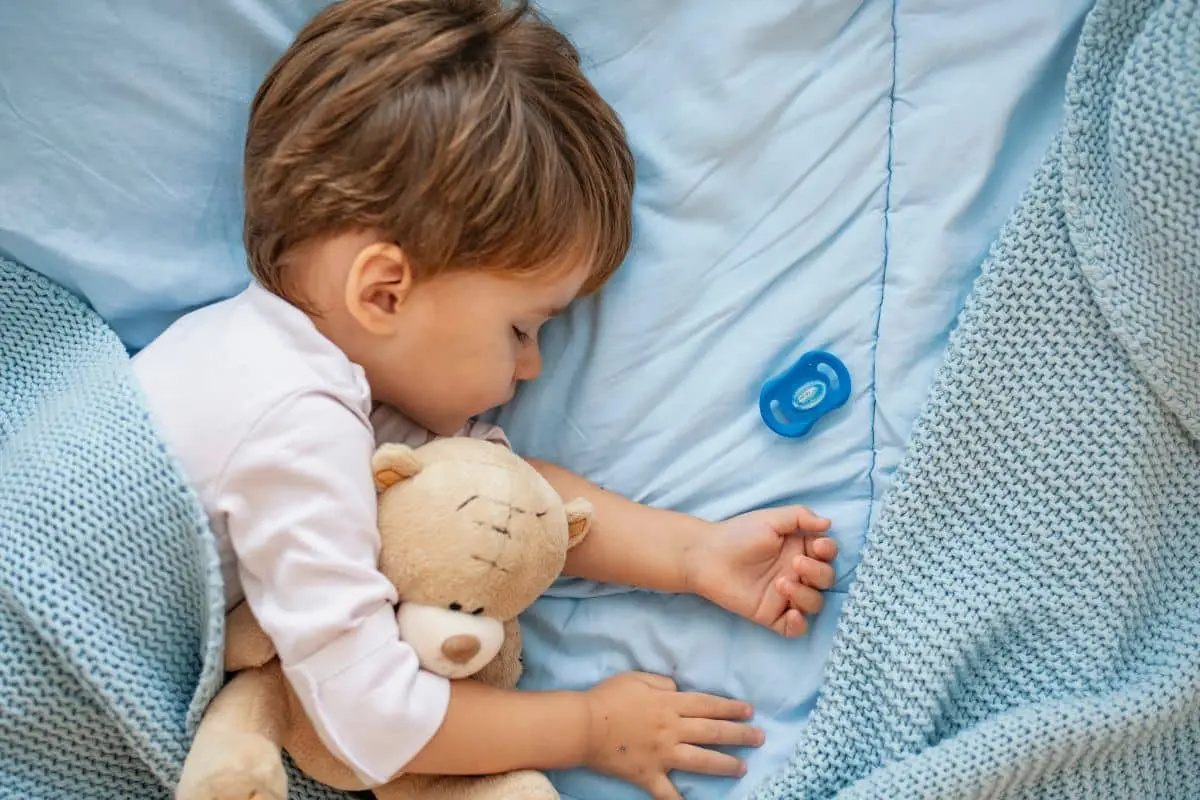
Pediatric sleep studies provide critical insights for addressing childhood sleep issues. These studies are thoughtfully designed to be safe and child-centric, which is essential in allaying the anxieties of parents. Understanding what happens during a sleep study helps ensure the comfort of young patients throughout the diagnostic process.
Why Sleep Studies Matter for Children
Pediatric sleep studies play a vital role in child health by unveiling numerous sleep disorders that may otherwise go undetected. By accurately diagnosing conditions such as sleep apnea, restless leg syndrome, or narcolepsy, these studies contribute significantly to child healthcare. For example, a child exhibiting signs of daytime fatigue might be found to have sleep apnea, leading to treatments that dramatically improve their day-to-day well-being.
Dispelling common myths and fears surrounding pediatric sleep studies is critical in fostering parental trust. By understanding that these studies involve non-intrusive monitoring in a setting that’s accommodating to children, parents can become more confident in the process. When a parent learns that their child can bring a favorite toy or blanket, it may diminish concern over how their child will cope with the overnight stay.
More than immediate solutions, pediatric sleep studies serve as a preventive tool against future health issues. Early identification and intervention can prevent a host of health problems that may arise from untreated sleep disorders. Recognizing that a timely and accurate diagnosis can positively impact a child’s life trajectory underscores the broader preventative value of these studies.
Preparing for the Study
Preparing for a pediatric sleep study is a key step in achieving reliable findings. Parents can support their child’s readiness by focusing on maintaining normalcy, providing comfort, and managing daily habits. It is essential for parents to ensure that on the day of the sleep study, the child follows their typical routine.
Sticking to the usual schedule, including meal times and physical activities, allows for accurate monitoring of the child’s authentic sleep patterns. For instance, if a child normally reads a story before bed, continuing this routine will help them adapt to the sleep study environment. This familiarity reduces anxiety and helps children feel more comfortable.
Bringing items that the child associates with safety and calmness can greatly assist in their adjustment to the sleep center. A beloved stuffed toy or a favorite blanket can offer familiarity amidst the new setting. This can be particularly reassuring for the child during the overnight separation from home comforts.
Important preparation steps include:
- Keep the day’s routine as normal as possible
- Bring comfort items like favorite toys or blankets
- Avoid caffeine and naps before the study
- Continue regular bedtime rituals
- Explain the process in age-appropriate terms
- Visit the sleep center beforehand if possible
Finally, steering clear of stimulants like caffeine and avoiding naps is critical for the integrity of the study. When children consume caffeine or nap close to bedtime, their sleep patterns can be disrupted. Abstaining from these activities will ensure the sleep study captures the child’s normal sleep behavior.
When Your Child Needs Testing
Identifying the right candidates for a pediatric sleep study hinges upon recognizing specific symptoms and unique risk factors present in the child. This careful assessment helps clinicians decide when to employ this valuable diagnostic test. Children displaying ongoing symptoms, such as habitual snoring or excessive daytime sleepiness, might be signalling the presence of underlying sleep issues.
These persistent signs cannot be ignored as they can impede the child’s daily functioning and growth. A sleep study becomes necessary to dig deeper and discover the root of such sleep disruptions. If initial remedies have not been successful in alleviating these symptoms, pediatricians may suggest a sleep study as the next step.
Particular physical characteristics can predispose children to sleep difficulties. Enlarged tonsils or above-average body weight for the child’s age could lead to obstructions in airways during sleep. Prioritizing children with these risk factors ensures prompt and appropriate intervention to address any sleep abnormalities.

What Happens During the Study
Successfully executing a pediatric sleep study requires strategies that foster a sense of security and clarity for both the child and their family. This involves providing explanations, familiarization with the setting, and creating a comfortable environment. Offering clear, age-appropriate explanations about the process can significantly reduce any apprehension.
Explaining the purpose of the monitoring equipment in a way that a child can understand makes the unfamiliar equipment seem less intimidating. Perhaps comparing sensors to stickers or a sleep cap to a swim cap helps children feel more comfortable. This simple approach can make a big difference in how children perceive the study.
| Study Component | What It Does | Child-Friendly Explanation |
| Sensors | Monitor breathing and movement | Like stickers that help doctors watch you sleep |
| Sleep Cap | Records brain waves | A special hat that shows when you’re dreaming |
| Pulse Oximeter | Checks oxygen levels | A glow finger that measures breathing |
| Video Camera | Records sleep position | A camera that helps doctors see how you sleep |
| Microphone | Detects snoring | A listening device to hear breathing sounds |
Introducing the child and their parents to the sleep center environment through pre-study tours can ease the uncertainty. This might include showing the child the room where they will sleep and explaining each step of the process. Customizing the sleeping environment to meet the personal needs of the child can make a significant difference in their willingness to participate.
Support and Resources
Providing families with the necessary support and resources is essential for a seamless pediatric sleep study experience. This support fosters informed participation, individualized care, and continuous healthcare management. Educational tools and guidelines are fundamental in preparing families for a sleep study.
By offering detailed documentation on what to expect, how to prepare the child, and what the procedure involves, parents can approach the sleep study with a clear understanding. Receiving a booklet with frequently asked questions can help parents proactively prepare their child for the overnight evaluation. This preparation reduces stress for everyone involved.
After the sleep study, personalized treatment discussions with sleep specialists are invaluable. These conversations allow parents to understand the findings, ask questions, and collaborate on a care plan. Reviewing the study’s outcome can lead to a shared decision on whether interventions like tonsillectomy or CPAP therapy might be beneficial.
Best Practices for Success
Adopting certain best practices before, during, and after a pediatric sleep study is essential to maximize the study’s effectiveness. These practices involve careful preparation, creating a calming environment, and ensuring ongoing post-study care. Following established guidelines before the sleep study can significantly contribute to its success.
These guidelines often suggest keeping the child’s daily routines unchanged to prevent skewing the study’s results. Making sure all the necessary paperwork and instructions are understood and completed leads to a more efficient process. This thorough preparation can reduce potential stress for both child and parent.
Bringing items from home that comfort the child to the study can make a difference in their anxiety levels. A beloved toy or a familiar blanket can help replicate the home environment. Furthermore, the presence of a parent during the study can provide additional reassurance and a sense of normalcy.
After the sleep study, continuing care is pivotal in addressing the child’s sleep issues comprehensively. This might translate into scheduled follow-up visits to review the results and discuss treatment options. Ongoing care confirms an enduring dedication to the child’s well-being beyond the sleep study.
Moving Forward Together
The successful completion of a pediatric sleep study is the result of a partnership between healthcare providers and families. This cooperative effort, rooted in a child-centered approach, aims to prioritize the child’s wellbeing at every stage. Clear and ongoing communication between healthcare providers and families is fundamental to the spirit of collaboration.
As families navigate the sleep study process, being able to ask questions and receive understandable answers empowers them to advocate for their child’s needs effectively. This transparency facilitates trust, ensuring that parents are fully informed and confident about decisions affecting their child’s care. Taking advantage of the full range of resources offered by the sleep center can greatly enrich the sleep study’s quality.
This might involve tapping into educational materials, psychological support, or assistance from specialists. Together these form a comprehensive support network, enhancing the entire experience and outcome for the child. The goal is always to provide the best possible care and support for your child’s sleep health.
Don’t let uncertainty hold you back. Schedule a consultation today and start building a thriving dental sleep practice with Ohl Consulting!
Ohl Practice Management & Consulting
connect@ohlpracticeconsulting.com
Frequently Asked Questions
Is a pediatric sleep study safe for my child?
Absolutely. Pediatric sleep studies are designed to be non-invasive, safe, and conducted in child-friendly environments to ensure your child’s comfort and well-being throughout the overnight process. The monitoring equipment is painless and simply records your child’s natural sleep patterns. Trained pediatric sleep technicians supervise the entire study to ensure safety.
How can I prepare my child for their sleep study?
Keep the day of the study as normal as possible, avoid caffeine, and bring along any favorite comfort items your child may need. This maintains their routine and helps ensure an accurate representation of their sleeping behaviors. Talk to your child about what to expect in age-appropriate terms and consider visiting the sleep center beforehand if possible.
What happens after my child’s sleep study?
Post-study, you’ll have a detailed discussion with sleep specialists to understand the results and plan any necessary treatments. Continuous care will ensure your child gets the long-term support they need. The specialist will explain the findings in clear terms and work with you to develop a treatment plan that fits your child’s specific needs and your family’s situation.
The information on this page is provided to help you understand general dental care and the preventive services we offer. It’s not a substitute for professional diagnosis or individualized treatment. Every patient’s needs are different, and your dentist will evaluate your oral health before recommending any specific care or procedure. (For personalized guidance, please schedule an appointment with a licensed dental professional.)


