
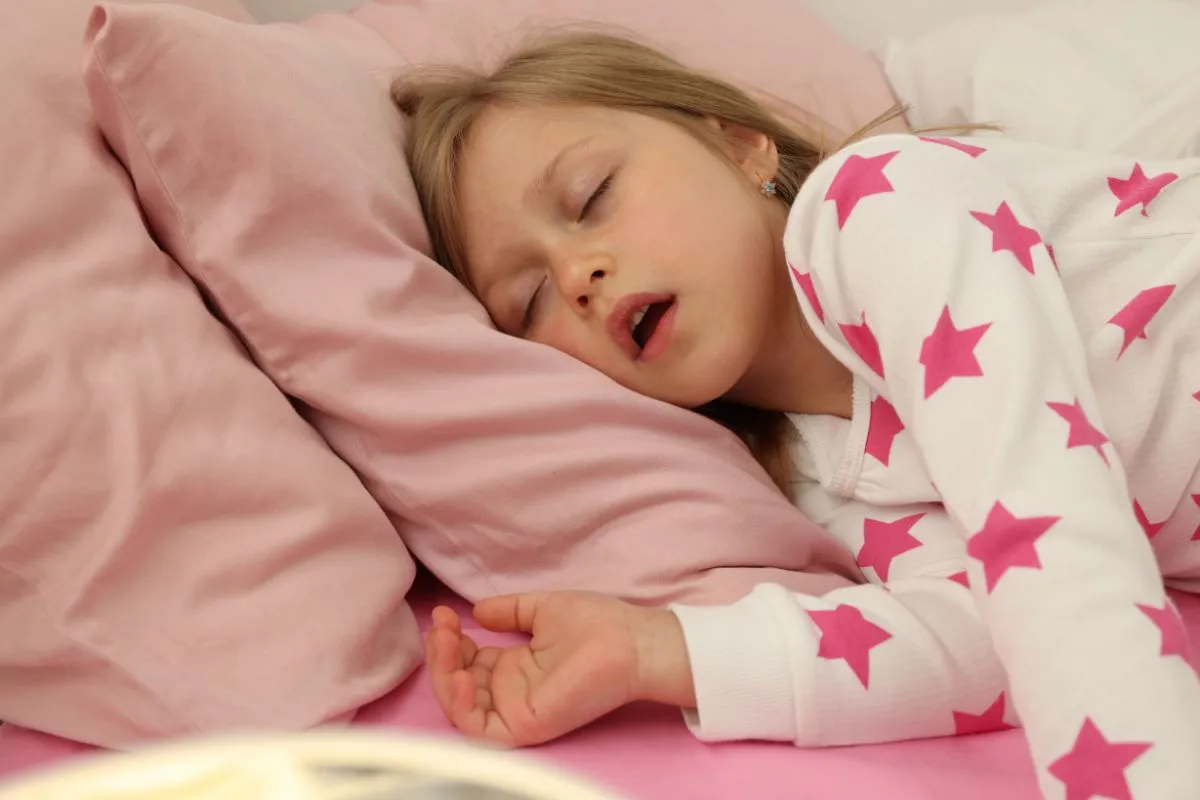
Sleep apnea in children isn’t something they’ll outgrow. Untreated, this condition damages physical growth, brain development, and emotional health. Camilla Ohl trains healthcare providers through Ohl Practice Management & Consulting to recognize when breathing problems demand urgent intervention. Her experience helping practices integrate comprehensive care shows that early detection prevents consequences that follow children into adulthood.
Disrupted sleep does more than make kids tired. It interferes with growth hormone release affecting physical development. Learning and memory suffer from oxygen-deprived brains. Emotional regulation deteriorates causing behavioral problems. Understanding these cascading effects motivates families to seek evaluation and treatment promptly.
Physical Health Risks That Compound Over Time
Untreated sleep apnea creates chronic health conditions shaping a child’s future. These aren’t temporary problems that resolve naturally.
Obesity develops from hormonal disruptions caused by poor sleep. Interrupted rest affects appetite regulation and metabolism. Children with sleep apnea face increased risk of excessive weight gain. This isn’t coincidental. The prevalence of sleep-disordered breathing in children correlates directly with rising childhood obesity rates.
Here’s what untreated sleep apnea does to developing bodies:
- Disrupts growth hormone production causing stunted growth
- Creates hormonal imbalances increasing obesity risk
- Elevates blood pressure straining young hearts
- Increases cardiovascular disease risk in adulthood
- Weakens immune system function
- Affects insulin sensitivity raising diabetes risk
- Causes chronic inflammation throughout the body
- Damages overall metabolic health
Cardiovascular problems emerge from repeated oxygen flow interruptions. The stress on young hearts from these nightly episodes can lead to hypertension. High blood pressure in childhood sets the stage for future heart disease. These aren’t abstract future concerns. They’re measurable changes happening in real time.
Subtle symptoms get overlooked or mistaken for other issues. Many children don’t receive timely diagnosis because signs seem normal. This oversight allows what could become lifelong health struggles to establish themselves during critical developmental years.
Academic Performance and Learning Challenges
Sleep apnea significantly threatens educational success. Disrupted sleep leads to problems often confused with other developmental disorders.
| Area Affected | How Sleep Apnea Causes Problems | Long-Term Educational Impact |
| Reading Skills | Poor concentration, memory issues | Lower literacy, comprehension struggles |
| Math Ability | Impaired problem-solving, slow processing | Difficulty with advanced concepts, calculation errors |
| Attention Span | Exhaustion mimics ADHD symptoms | Labeled as behavior problem, receives wrong treatment |
| Memory Formation | Deep sleep stages never reached | Cannot retain information, poor test performance |
| Social Learning | Irritability affects peer relationships | Difficulty with group work, social isolation |
Cognitive impairment appears particularly in reading and math. These subjects require concentration, memory, and problem-solving skills. Poor sleep quality hampers all these abilities. Affected children exhibit lower academic performance in essential subjects.
Behavioral issues commonly get misdiagnosed as ADHD. Inattention and hyperactivity arise from frustration and exhaustion of continuous sleep disruption. Educators and parents mistake these symptoms for behavioral disorders. Misdiagnosis leads to inappropriate treatment strategies that don’t address the real problem.
Academic struggles extend beyond grades. Social interaction and development suffer when children can’t concentrate or regulate emotions. Timely accurate diagnosis of sleep apnea is crucial in preventing these detrimental effects on educational journey and overall social wellbeing.
Emotional and Social Development Impacts
Unaddressed sleep apnea disrupts emotional wellbeing and social maturity significantly. Effects extend beyond physical health to personal growth.
Psychological impact from ongoing poor sleep proves profound. Children experience irritability, mood swings, and decreased stress coping ability. These emotional disturbances make forming and maintaining friendships harder. Social isolation develops as cooperative play and teamwork become difficult.
Healthcare system pressure increases from the condition’s complexity. Subtle symptom presentation often leads to misdiagnosis or delayed diagnosis. This hampers effective treatment while increasing medical resource use as parents seek help for unresolved issues.
Heightened awareness and improved screening practices are needed. Recognizing and addressing pediatric sleep apnea early prevents serious long-term consequences on quality of life. It also reduces the burden on healthcare facilities dealing with cascading complications.
Strategic Early Intervention Approaches
Mitigating sleep apnea risks requires early proactive management. Responsive intervention halts progression of complications.
Consistent assessment routines spotlight early signs. Regular evaluations by healthcare professionals pave the way for timely interventions. These assessments can curb adverse health trajectories linked to the disorder. Early detection changes outcomes dramatically.
Structured screening programs aid early detection. Trained health professionals identify symptoms that present subtly and are easy to overlook. Proper screening ensures children showing less obvious signs still get caught in the diagnostic safety net.
Care coordination guarantees seamless management once identified. Preventing gaps in care stops worsened outcomes from developing. This integrated approach ensures comprehensive management. Treatment effectiveness depends on accurate diagnosis and coordinated care between specialists addressing your child’s unique situation. Different children need different interventions based on their specific anatomy, symptoms, and overall health rather than standardized approaches.
Recognizing Risk Factors and Warning Signs
Determining when to escalate care requires recognizing various risk indicators. Healthcare professionals must stay alert to specific signs necessitating urgent action.
Anatomical characteristics significantly raise sleep apnea risk. Facial structures like recessed chins or narrow airways often prelude breathing issues. Medical practitioners monitor these physical traits closely. Recognition allows speedier diagnostic procedures and early treatment commencement.
Environmental factors intensify symptoms in vulnerable children. Allergens contribute to inflammation and airway obstruction. Smoke exposure damages developing airways. Being aware of such triggers guides targeted interventions mitigating these influences.
Together these considerations form frameworks for healthcare providers. They guide escalation of medical attention for pediatric sleep apnea. This paves the way for specialized treatments tailored to individual needs helping avert health issue escalation.
Professional Support and Resources
Successfully addressing pediatric sleep apnea hinges on robust professional guidance. Resource provision is key in managing the condition.
Healthcare providers armed with proper knowledge identify and treat sleep apnea effectively. They stand as first lines of defense ensuring children receive needed assessments. Access to ongoing training enables administration of current effective treatment plans.
Consulting services extend support beyond clinical settings. They provide larger frameworks for patient education and continuous care. Families and caregivers become informed partners in management. This collaborative environment fosters better compliance with treatment regimens.
Well-informed professionals combined with comprehensive consulting services create well-equipped networks. These networks achieve stellar management of pediatric sleep apnea. Camilla Ohl’s training programs through Ohl Practice Management & Consulting help practices build these support systems ensuring children receive coordinated comprehensive care.
Creating Healthy Sleep Environments
Preventive measures within home environments reduce sleep apnea occurrences. Simple strategies significantly contribute to improving sleep quality.
Regular cleaning and air filtration create sleep-friendly spaces. Keeping sleeping areas free of dust and particulates decreases airway irritation risk. Reduced blockage lessens sleep disruptions often caused by sleep apnea.
Allergen control in bedrooms proves critical. Reducing exposure to pet dander, pollen, and dust mites prevents airway inflammation. This matters especially for children sensitive to irritants and prone to sleep disturbances.
Sleeping accessory selection supports clear airways. Proper alignment of head and neck with firm pillows and suitable mattresses improves breathing patterns. This prevents obstructions leading to apnea episodes. These straightforward strategies establish healthier environments supporting immediate comfort while proactively reducing long-term health challenges.
Protecting Your Child’s Future Health
Confronting long-term risks from pediatric sleep apnea necessitates focused strategic action. Effective addressing reshapes future health prospects for affected children.
Raising awareness among parents empowers early intervention. Informed caregivers spot early signs facilitating prompt action. Camilla Ohl’s work at Ohl Practice Management & Consulting, drawing on two decades of dental industry experience, emphasizes educating families about recognizing symptoms and seeking medical advice proactively rather than reactively responding to health crises.
Enhanced healthcare practices ensure better outcomes. This includes advanced screening methods, comprehensive practitioner training, and individualized care plans catering to each child’s specific needs. Effective resources must be readily accessible bridging gaps between knowledge and action.
Committed concerted efforts cultivate robust frameworks for addressing pediatric sleep apnea. These efforts improve childhood health paving the way for more promising resilient futures. Contact Camilla Ohl for guidance on finding specialists or to learn how practices can better identify and manage children at risk for untreated sleep apnea complications.
Don’t let uncertainty hold you back. Schedule a consultation today and start building a thriving dental sleep practice with Ohl Consulting!
Ohl Practice Management & Consulting
connect@ohlpracticeconsulting.com
Frequently Asked Questions
What long-term effects can untreated sleep apnea have on my child?
Untreated sleep apnea causes serious lasting health issues. Physical growth can be stunted from disrupted growth hormone release. High blood pressure develops from repeated oxygen deprivation stressing young hearts. Cognitive challenges affect school performance as brains don’t get adequate rest. Behavioral problems emerge from chronic exhaustion. Addressing symptoms early prevents these complications from becoming permanent.
How can I tell if my child has sleep apnea?
Watch for loud habitual snoring most nights. Restless sleep with frequent position changes signals problems. Daytime fatigue despite adequate time in bed indicates poor sleep quality. Behavioral issues like hyperactivity or difficulty concentrating can stem from exhausted brains. If you notice these symptoms, consult a healthcare provider for proper screening and diagnosis.
Are there effective treatments for pediatric sleep apnea?
Effective treatments can significantly improve and often reverse complications. Options include lifestyle changes, oral appliances, CPAP devices, or surgery depending on severity. Treatment gets customized based on what’s causing your child’s specific breathing problems. Early diagnosis and intervention are vital for best outcomes. Most children show dramatic improvement once properly treated.
The information on this page is provided to help you understand general dental care and the preventive services we offer. It’s not a substitute for professional diagnosis or individualized treatment. Every patient’s needs are different, and your dentist will evaluate your oral health before recommending any specific care or procedure. (For personalized guidance, please schedule an appointment with a licensed dental professional.)


