If you snore loudly, wake up exhausted, or suspect sleep apnea, the idea of spending a night in a sleep lab can feel overwhelming. Many Houston adults are now hearing about home sleep apnea tests and wondering if they are accurate enough to provide a real diagnosis. The most common question is straightforward and practical: can sleep apnea actually be diagnosed from your own bed at home?
For many adults, the answer is yes, but only under the right circumstances and with proper medical oversight. Home sleep apnea testing can be an effective diagnostic option when it is ordered and interpreted by a qualified physician and used for appropriate patients. This guide explains what home sleep apnea tests are, who they are best suited for, how the process works, and what Houston patients should expect when deciding between home testing and an in-lab study.
What Is a Home Sleep Apnea Test?
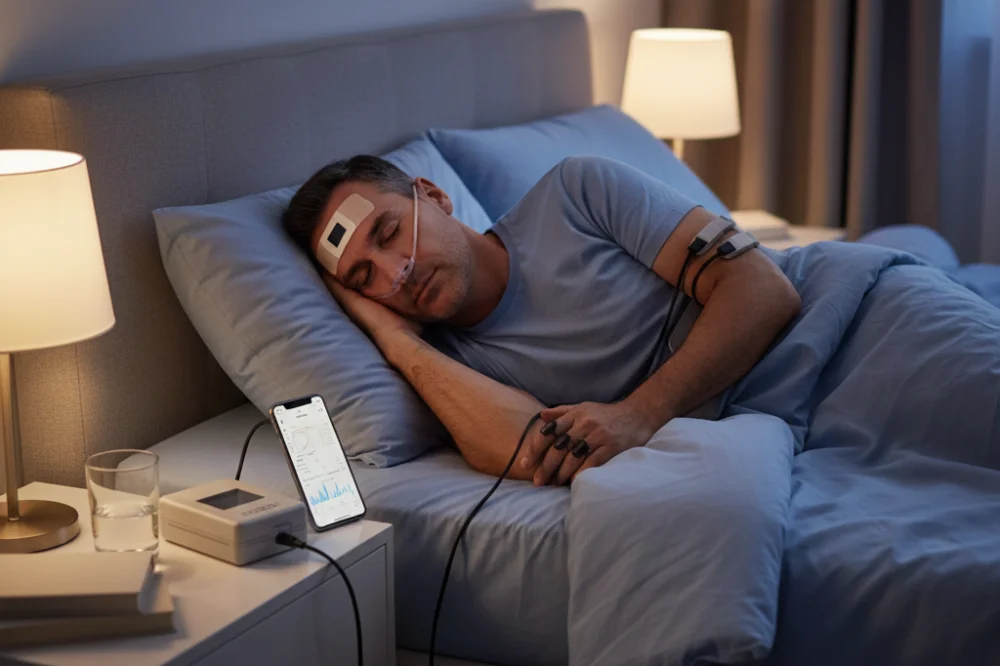
A home sleep apnea test is a portable medical device used to evaluate breathing while you sleep in your own bed. It measures a limited set of signals, typically including airflow, breathing effort, oxygen levels, heart rate, and snoring. These signals help detect patterns that are consistent with obstructive sleep apnea.
Unlike an in-lab sleep study, a home test does not measure brain waves or sleep stages. Because of this, it is designed specifically to evaluate obstructive sleep apnea and not other sleep disorders. For many adults with a high likelihood of OSA, this focused data is enough to make a diagnosis.
It is important to understand that a true home sleep apnea test is not a consumer gadget or phone app. A legitimate test is ordered by a physician after a clinical evaluation and is interpreted by a qualified clinician who reviews the recorded data. This physician involvement is what makes the test diagnostic rather than informational.
Can You Really Get Diagnosed at Home?
For many adults, home sleep apnea testing can provide enough information to diagnose obstructive sleep apnea when symptoms are clear. This is most true for people with loud snoring, witnessed breathing pauses, and significant daytime sleepiness. In these situations, home testing can shorten the path to treatment without sacrificing accuracy.
Home testing is not appropriate for everyone and must be used selectively. It is generally reserved for uncomplicated adults, meaning those without serious medical conditions that affect breathing during sleep. Just as important, a home sleep apnea test must be ordered after a clinical evaluation and interpreted by a physician who reviews the raw data, since auto-scored results alone are not considered a reliable diagnosis.
How a Home Sleep Apnea Test Works
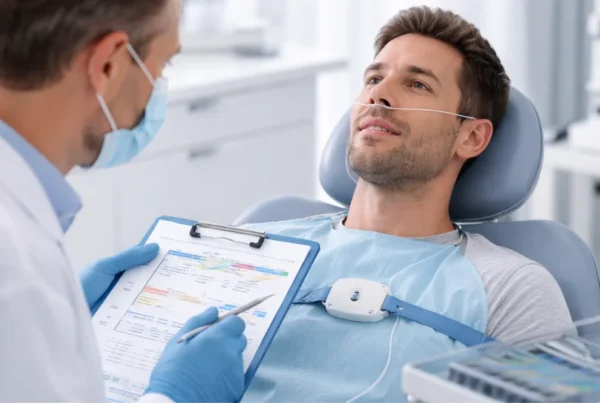
A home sleep apnea test follows a structured process that starts with a medical evaluation. This visit may happen in person or through telehealth, depending on the provider and patient preference. During the evaluation, a clinician reviews symptoms, medical history, and risk factors to decide whether home testing is appropriate and safe.
- A clinical evaluation to confirm symptoms and determine eligibility for home testing
- Ordering the test and picking up the device or having it shipped to the patient’s home
- Wearing the device for one or more nights while sleeping at home
- Returning the device or uploading the recorded data after testing is complete
Once the test is finished, the recorded data is reviewed by a qualified physician. The physician prepares an interpretation and discusses the results with the patient in clear, plain language. If obstructive sleep apnea is confirmed, the conversation then moves to treatment options and next steps based on the individual’s needs and preferences.
Home Test vs Sleep Lab: Accuracy, Benefits, and Limits
Home sleep apnea tests can be very accurate for diagnosing moderate to severe obstructive sleep apnea in high-risk adults. For many patients, the data collected at home is sufficient to begin treatment without unnecessary delay. When used appropriately, home testing offers a convenient and efficient way to move forward with care.
Home testing also has important limitations that patients should understand. These tests collect fewer data points than in-lab studies and may miss mild sleep apnea or other sleep disorders, especially if sensor issues occur. When symptoms persist but a home test is negative or unclear, an in-lab sleep study is usually recommended, because home and lab testing are complementary tools rather than competing options.
Who Should Not Rely on a Home Sleep Test?
Home sleep apnea testing can be helpful for many adults, but it is not the safest or most accurate option for everyone. Certain medical conditions can affect breathing patterns during sleep in ways that a home test cannot fully capture. In these situations, an in-lab sleep study provides the additional data and monitoring needed to make an accurate diagnosis.
- Adults with significant heart disease, lung disease, or heart failure
- People with suspected central sleep apnea or complex breathing disorders
- Individuals with neuromuscular conditions or chronic opioid use
- Children and most adolescents with suspected sleep apnea
- Patients with multiple unexplained sleep complaints, such as insomnia combined with excessive daytime sleepiness
For patients in these categories, skipping the sleep lab can lead to missed or incomplete diagnoses. Pediatric sleep apnea and complex adult sleep disorders often require full monitoring of brain activity, muscle movement, and sleep stages. When there is any uncertainty about complexity or safety, accuracy should take priority over convenience, and an in-lab study is usually the better first step.

Home Sleep Apnea Testing in Houston, TX
Houston residents have access to home sleep apnea testing through local health systems, sleep centers, and physician-led telehealth programs. These services typically integrate home testing into a broader care pathway that includes diagnosis, treatment selection, and follow-up. This approach allows patients to start testing quickly while remaining under professional supervision.
Some Houston providers loan devices directly from clinics, while others ship devices to patients’ homes. In both cases, a qualified sleep physician reviews the data and explains the results. This ensures that home testing remains part of coordinated medical care rather than a stand-alone service.
For patients who also work with dentists providing airway-focused care or oral appliance therapy, home test results can be shared as part of collaborative treatment planning. This coordination helps ensure that diagnosis leads to appropriate, monitored treatment.
From Home Test to Treatment: What Happens Next?
After obstructive sleep apnea is confirmed, diagnosis marks the start of care rather than the finish line. Patients and providers review treatment options based on severity, symptoms, and individual preferences. These options may include CPAP or APAP therapy, oral appliance therapy, positional therapy, lifestyle changes, or referral to other specialists.
Follow-up plays a critical role in long-term success. Patients need clear guidance on whether treatment is working and when adjustments are needed, which may include repeat testing in some cases. In Houston, collaboration between sleep physicians, dentists, and primary-care providers helps personalize care and supports better outcomes over time.
Home vs Lab Sleep Testing at a Glance
Before choosing between home and lab testing, it helps to understand how they differ in practical terms. Each option has strengths and limitations depending on the patient’s health profile and symptoms. Choosing the right test improves accuracy and speeds up treatment decisions.
| Feature | Home Sleep Apnea Test | In-Lab Sleep Study |
| Where it’s done | At home | Sleep center or hospital |
| What it measures | Breathing, oxygen, heart rate | Full sleep data and stages |
| Best for | Uncomplicated adults with suspected OSA | Complex or unclear cases |
| Physician review | Required | Required |
When the right test is used for the right patient, diagnosis is clearer and safer. Convenience should never replace clinical judgment. The goal is accurate diagnosis followed by effective treatment.
When a Home Test Makes Sense
For many Houston adults with loud snoring, excessive daytime sleepiness, and a high likelihood of obstructive sleep apnea, home testing can be a practical first step. It allows the diagnostic process to begin quickly without the stress or scheduling challenges of an overnight lab study. When ordered and supervised properly, home testing can reduce delays in care while still providing clinically useful information.
Home testing can also be helpful for patients who have previously tried CPAP and want updated insight before choosing another treatment option. In these cases, the results may help guide alternatives such as oral appliance therapy or other physician-recommended approaches. The best outcomes occur when testing decisions are guided by a clinical evaluation rather than convenience alone, ensuring the right test leads to the right follow-through.
Frequently Asked Questions
Is a home sleep apnea test accurate enough to diagnose sleep apnea?
For many adults with clear symptoms of obstructive sleep apnea, a home test can provide enough information to make a diagnosis. Accuracy is highest in patients with moderate to severe OSA and few complicating medical conditions. The test must be ordered and interpreted by a physician to be considered diagnostic.
Can a home sleep test miss sleep apnea?
Yes, especially in cases of mild sleep apnea or when other sleep disorders are present. Home tests collect less data than lab studies, so a negative or unclear result does not always rule out a sleep problem. If symptoms persist, an in-lab study is often recommended.
Do I need a referral to get a home sleep apnea test?
Most home sleep apnea tests require a clinical evaluation by a qualified provider who can order the test. This may be done in person or through telehealth, depending on the program. Direct-to-consumer tests without physician involvement are not considered diagnostic.
What happens after I’m diagnosed at home?
After diagnosis, your provider will review treatment options with you and recommend a plan based on your results and preferences. Follow-up is essential to confirm that treatment is working and to make adjustments if needed. Diagnosis should always lead to monitored care, not a one-time report.