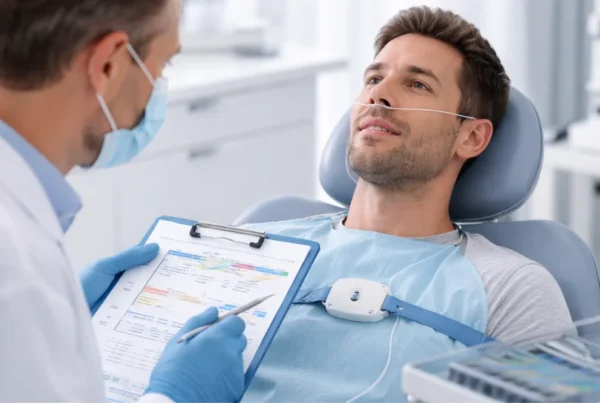
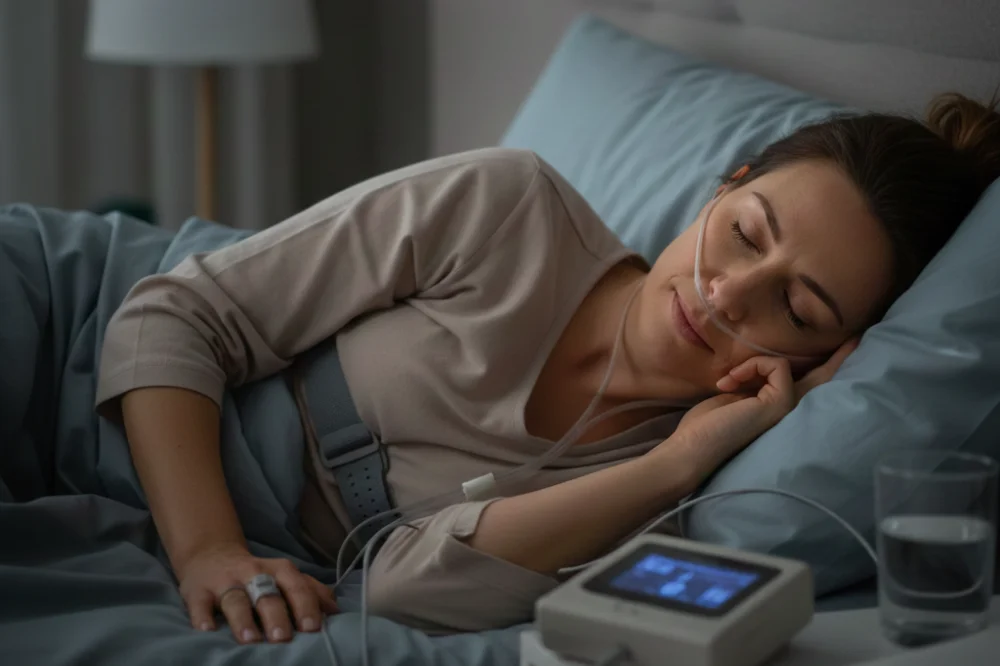
Polysomnography is the overnight sleep study doctors use when they want a clear picture of what your body is doing during sleep. During one night in a sleep lab, small sensors track brain waves, breathing, oxygen levels, heart rhythm, and muscle movement. When all of those signals are recorded together, doctors can finally see why someone snores loudly, wakes up tired, or stops breathing during sleep.
This article is supported by Ohl Practice Management & Consulting in Houston, Texas. Camilla Ohl, founder of the consulting firm, brings more than twenty years of experience in the dental and sleep medicine industry. Her background includes leadership in operations, consulting, and business development within dental sleep medicine programs. That experience gives her a practical understanding of how sleep studies, treatment systems, and patient education all work together in real clinical environments.
What Is Polysomnography?
Think of polysomnography as a full overnight health check while you sleep. Instead of asking you questions about how you feel in the morning, doctors collect real measurements from different parts of your body all night long. Those measurements show what your brain, breathing, and heart are doing while you rest.
Most polysomnography studies happen in a sleep laboratory. A technologist places sensors on the scalp, chest, legs, and fingers. Belts go around the chest and abdomen to measure breathing effort. Once everything is connected, the equipment quietly records signals while you sleep.
People around Houston often assume a sleep study only looks for snoring. In reality, it measures many systems at once. That combination helps clinicians understand not only breathing problems but also sleep stages, oxygen changes, and body movement patterns.
The Sensor Tour: What Each Wire Measures
When patients first see the equipment, the wires can look intimidating. In reality, every sensor has a very simple job. Each one collects one piece of information about how your body behaves during sleep.
Here are the main signals monitored during polysomnography:
- Brain activity electrodes measure brain waves and identify sleep stages
- Eye movement sensors detect REM sleep and rapid eye movements
- Chin and leg sensors track muscle tone and limb movements
- Nasal airflow sensors measure how air moves in and out during breathing
- Chest and abdominal belts monitor breathing effort
- Finger probes track oxygen saturation and pulse rate
- ECG leads monitor heart rhythm through the night
- Position sensors record whether you sleep on your back or side
- Infrared cameras and microphones capture movements and snoring
When all of these signals are combined, they tell the story of your sleep. Doctors can see how breathing changes affect oxygen levels, how those changes affect brain activity, and how the body reacts during the night.
How Sleep Study Signals Become Real Sleep Data
During the night, the sensors collect constant streams of information. On the monitoring screens, those signals appear as moving lines called waveforms. A trained sleep technologist reviews those recordings later in small segments called epochs, which usually represent about thirty seconds of sleep.
As the data are scored, several important measurements are calculated. Brain waves determine sleep stages such as light sleep, deep sleep, and REM sleep. Airflow and oxygen sensors reveal breathing interruptions known as apneas or hypopneas. These measurements combine to produce numbers like total sleep time, sleep efficiency, and the apnea hypopnea index. Doctors use these numbers to understand how severe sleep apnea may be and what treatment might help.
What a Night in the Sleep Lab Feels Like
Most sleep studies begin in the evening. Patients arrive at a sleep center and check into a private room that looks similar to a small hotel room. A technologist places the sensors using gentle adhesive pads and elastic belts, which usually takes less than an hour.
Once everything is connected, the goal is simple. You go to sleep as normally as possible. Cameras allow the technologist to observe movements, and microphones record snoring sounds. Even with the sensors attached, most people can still roll over and change positions comfortably.
Some studies become split night studies. In those cases, if sleep apnea appears early in the night, CPAP therapy may begin halfway through the study. This allows technicians to identify the pressure that keeps breathing stable.

Preparing for a Polysomnography Sleep Study
Before a polysomnography test, many patients want to know how to prepare so the study reflects their normal sleep. Good preparation helps the technologists capture accurate data and reduces stress before arriving at the sleep lab.
Here are common preparation guidelines patients receive before an overnight sleep study:
- Maintain your usual sleep schedule in the days before the test
- Avoid caffeine or stimulants during the afternoon and evening
- Wash your hair and avoid gels, oils, or sprays before the study
- Bring comfortable sleepwear and personal bedtime items
- Inform the sleep lab about medications you take regularly
- Arrive early so the technologist can place sensors without rushing
Following these steps helps the sensors record clean signals during the night. When patients arrive relaxed and prepared, the sleep team can collect data that better reflects natural sleep patterns.
Polysomnography Compared With Home Sleep Tests
Many people ask whether a home sleep test can replace a full overnight study. Home tests are easier and can be done in your own bed, but they measure fewer signals than a full polysomnography test.
| Test Type | Sensors Used | Best For |
| In lab polysomnography | Brain waves, airflow, breathing effort, oxygen, heart rhythm, limb movement | Complex sleep disorders or unclear diagnosis |
| Home sleep apnea test | Airflow, oxygen saturation, breathing effort | Straightforward sleep apnea screening |
| Consumer wearable devices | Heart rate and motion tracking | General sleep trends but not diagnosis |
Home testing can work well for simple sleep apnea cases. Full polysomnography is still the most detailed option when doctors need a complete view of sleep physiology.
How Sleep Study Results Guide Treatment Decisions
Once the sleep study is complete, the results help doctors understand what is really happening during the night. Measurements like the apnea hypopnea index, oxygen levels, and sleep stage distribution provide clues about both the type and severity of a sleep disorder.
Those findings guide treatment decisions. Some patients benefit from CPAP therapy, while others may use oral appliance therapy, positional therapy, or additional medical evaluation. When patients understand their sleep study results, they are more likely to stay engaged with treatment and long term follow up.
Helping Patients Take the Next Step Toward Better Sleep
Many people live with poor sleep for years before asking for help. Loud snoring, morning headaches, or daytime fatigue often become normal over time. The overnight polysomnography study exists to answer the question most patients keep asking themselves: what is actually happening while I sleep?
At Ohl Practice Management & Consulting in Houston, Camilla Ohl helps practices communicate this process clearly so patients feel confident moving forward. In the StoryBrand framework, the patient is the hero who wants better sleep and better health. The clinician becomes the guide who provides a clear plan and tools to solve the problem. When patients understand the process and trust the path forward, they are far more likely to complete treatment and finally experience the energy and clarity that healthy sleep provides.
Frequently Asked Questions
What does polysomnography actually measure during sleep?
Polysomnography measures several body systems at the same time while you sleep. The sensors record brain waves, breathing patterns, oxygen levels, heart rhythm, and muscle movement throughout the night. When doctors review these signals together, they can see how your sleep stages change and whether breathing interruptions or movement disorders are affecting sleep quality.
Will I be able to sleep with all the wires attached?
Most people worry that the equipment will make it impossible to sleep, but that rarely happens. The sensors are lightweight and designed so you can still move and change positions during the night. Even if sleep feels different than usual, doctors can still collect enough information to understand breathing patterns and sleep stages.
Is a home sleep test as accurate as polysomnography?
Home sleep tests are useful for identifying straightforward sleep apnea, but they measure fewer signals than a full sleep study. Polysomnography records brain activity, breathing effort, oxygen levels, and body movement all at once. Because of that broader view, doctors often rely on in-lab polysomnography when symptoms are complex or when other sleep disorders may be involved.
Why do doctors still recommend polysomnography today?
Doctors continue to recommend polysomnography because it provides the most complete picture of sleep health. The study records multiple biological signals simultaneously, which helps clinicians detect breathing problems, limb movements, and changes in sleep stages. That detailed information allows doctors to choose treatments that are more accurate and personalized for each patient.