
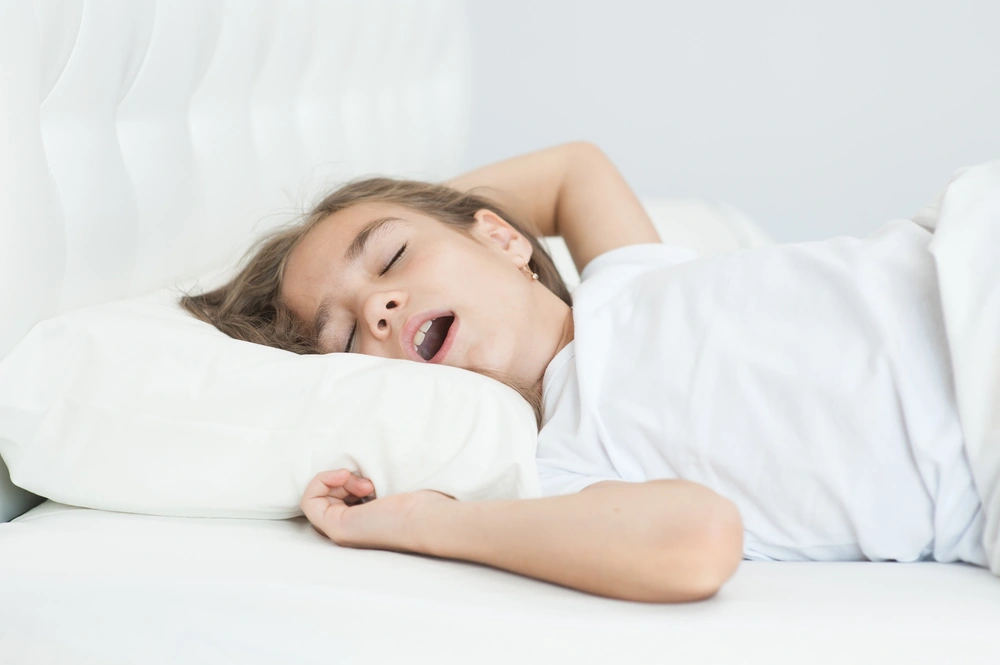
Your child snores every night during allergy season. You assume it’s just congestion that will pass. But persistent snoring signals something more serious happening. Camilla Ohl has trained hundreds of dental practices through Ohl Practice Management & Consulting to recognize when allergies cross the line into sleep-disordered breathing. Her years helping healthcare providers integrate sleep medicine show that the connection between allergies and sleep apnea gets overlooked constantly.
Light snoring during a cold is normal. Loud, consistent snoring night after night is different. It indicates breathing obstruction that disrupts sleep quality and oxygen levels. When allergies cause chronic nasal inflammation, they create the perfect conditions for sleep apnea to develop. Understanding this connection helps families address problems before they damage development.
When Snoring Means More Than Stuffiness
Not all snoring deserves equal concern. Learning what patterns signal problems helps you know when to seek evaluation.
Frequency matters more than most parents realize. Occasional snoring when your child has a cold makes sense. Snoring that happens most nights regardless of illness indicates chronic obstruction. Regular snoring disrupts sleep architecture repeatedly. This consistent disruption affects cognitive development and physical growth.
Volume indicates severity of airway obstruction. Soft snoring might mean minor congestion. Loud snoring that you hear from another room signals significant blockage. The louder the snoring, the harder your child works to breathe. This increased effort taxes their body throughout the night.
Context reveals whether snoring needs medical attention. Snoring alone might not worry you. Snoring combined with daytime fatigue, behavior changes, or observed breathing pauses demands evaluation. These additional symptoms indicate sleep-disordered breathing that requires professional assessment. A comprehensive sleep study can uncover underlying conditions and guide treatment.
How Allergies Create Breathing Problems
Allergic rhinitis does more than cause runny noses. It creates inflammation that directly impacts nighttime breathing and sleep quality.
Nasal airway inflammation triggers the snoring cycle. Allergens cause tissues inside the nose to swell. This swelling narrows breathing passages significantly. Air forced through these narrowed passages creates the vibration we hear as snoring. The restricted airflow interrupts natural sleep cycles and limits restorative sleep phases.
Here’s how allergies progress from annoying to dangerous:
- Allergen exposure causes nasal tissue inflammation
- Swollen nasal passages reduce airflow during sleep
- Restricted breathing creates snoring sounds
- Increased breathing effort destabilizes airway structures
- Airway may partially or completely collapse during sleep
- Breathing pauses occur as the airway closes temporarily
- Oxygen levels drop during these apnea episodes
- Sleep quality deteriorates from repeated disruptions
Breathing effort escalates beyond simple snoring. Children with inflamed airways work harder to pull air through congested passages. This extra exertion can cause the airway to collapse completely. What started as allergy-induced snoring progresses to full obstructive sleep apnea episodes. Breathing temporarily stops multiple times per night.
Treatment targeting the inflammation addresses the root cause. Anti-inflammatory medications reduce nasal tissue swelling. Air purifiers remove allergens from the bedroom environment. These interventions open breathing passages and decrease snoring. Improved airflow means better sleep quality and fewer apnea episodes.
The Allergy-Snoring-Sleep Apnea Connection
Understanding how these three conditions link together helps prevent progression from mild allergies to serious sleep apnea.
| Progression Stage | What’s Happening | Symptoms to Watch | Intervention Needed |
| Stage 1: Allergies | Immune response to allergens | Sneezing, runny nose, itchy eyes | Allergy management, environmental controls |
| Stage 2: Snoring | Nasal inflammation causes airway narrowing | Regular snoring, mouth breathing | Allergy treatment intensification |
| Stage 3: Mild OSA | Airway partially collapses during sleep | Snoring plus restless sleep | Medical evaluation, possible CPAP |
| Stage 4: Moderate-Severe OSA | Complete breathing pauses occur | Gasping, daytime sleepiness, behavior issues | Sleep study, aggressive treatment |
Allergies set the stage for sleep-disordered breathing. Allergen exposure causes allergic rhinitis. This condition inflames and swells nasal passages. The swelling narrows airways and leads directly to snoring. Without treatment, this process can escalate to obstructive sleep apnea. Early allergy management prevents this progression.
Chronic snoring indicates persistent obstruction. Snoring isn’t just noise. It marks ongoing breathing difficulty during sleep. Persistent obstruction can evolve into diagnosed sleep apnea. Monitoring snoring patterns helps catch this evolution before it becomes severe.
Long-term consequences justify aggressive allergy management. Untreated sleep apnea causes cognitive challenges in children. Growth issues stem from disrupted hormone release during poor sleep. Behavioral problems emerge from chronic exhaustion. Proactive allergy treatment prevents these serious complications from developing.
Managing Allergies to Prevent Sleep Problems
Comprehensive treatment addresses both immediate symptoms and long-term breathing health. Multiple approaches work together for best results.
Medications form the foundation of allergy management. Intranasal steroids reduce nasal passage inflammation directly. Antihistamines block the allergic response systemically. These medications decrease swelling that causes snoring and airway obstruction. Proper dosing and consistent use matter for effectiveness. Professional medical guidance ensures safe, appropriate treatment.
Environmental controls complement medication approaches. HEPA air purifiers remove allergens from bedroom air. Hypoallergenic bedding prevents dust mite exposure. Removing known triggers from the home environment reduces allergen load. These practical steps minimize respiratory symptoms and improve sleep quality naturally.
Advanced interventions help when basic measures fail. Some children need CPAP therapy despite allergy treatment. This equipment keeps airways open mechanically during sleep. Surgical options address anatomical issues contributing to obstruction. Tailored treatment plans adapt to each child’s symptom severity and response to initial therapies.

Knowing When to Escalate Treatment
Standard allergy management doesn’t always prevent sleep apnea. Recognizing when more aggressive treatment becomes necessary protects your child’s health.
Treatment adequacy shows in symptom response. Allergy medications should reduce snoring and improve sleep. If snoring persists despite proper allergy treatment, the problem has progressed. Continuing apnea episodes indicate the need for sleep-specific interventions beyond allergy care alone.
Medical metrics quantify sleep apnea severity. The apnea-hypopnea index measures breathing disruptions per hour. This number comes from sleep studies. Higher AHI scores indicate moderate to severe sleep apnea. These measurements guide decisions about CPAP therapy or surgical intervention.
Professional judgment interprets symptoms and test results. Healthcare providers trained in sleep medicine recognize escalation points. Their expertise determines when to transition from allergy management to active sleep apnea treatment. Individual patient history and symptom patterns inform these nuanced decisions.
Treatment approaches depend on accurate diagnosis of both allergy severity and sleep apnea presence. What works for simple seasonal allergies won’t address established obstructive sleep apnea. Consulting with sleep specialists ensures your child receives interventions matched to their specific condition rather than continuing ineffective treatments.
Getting Expert Help for Complex Cases
Sleep specialists bring expertise that general practitioners and allergists may lack. Their focused training makes them essential for complicated cases.
Comprehensive assessments examine the full picture. Sleep experts consider symptoms, overall health, and underlying conditions. They evaluate how allergies interact with other factors affecting breathing. Detailed assessments determine sleep apnea severity and appropriate treatment direction.
Tailored treatment plans address individual needs. No two children present identically. Plans might include lifestyle changes, behavioral modifications, medical equipment, or medications. This customization ensures approaches fit each child’s unique situation. Cookie-cutter solutions rarely work for complex sleep disorders.
Resources beyond basic treatment support families long-term. Camilla Ohl’s consulting work at Ohl Practice Management & Consulting provides workshops and education for healthcare providers. Her experience training practices to integrate sleep medicine helps build networks of knowledgeable professionals. These resources empower families to manage pediatric sleep issues effectively over time.
Prevention Through Environmental Control
Stopping sleep-disordered breathing before it starts works better than treating established problems. Proactive allergy management protects against sleep apnea development.
Allergen exposure reduction minimizes inflammation. Use hypoallergenic bedding and pillow covers. Keep pets out of bedrooms. Install HEPA filters in sleeping areas. Wash bedding weekly in hot water. These measures decrease allergen contact dramatically. Less exposure means less inflammation and fewer breathing problems.
Consistent symptom monitoring catches changes early. Watch for new snoring patterns or increased frequency. Note any daytime sleepiness or behavioral shifts. Early detection enables quick intervention. Addressing symptoms promptly prevents progression to severe sleep apnea.
Family education creates awareness throughout the household. Parents who understand the allergy-sleep apnea link stay vigilant. Regular checkups with healthcare professionals maintain this awareness. A supportive network actively works to prevent sleep-disordered breathing before it impacts development.
Protecting Your Child’s Sleep Health
Allergies, snoring, and sleep apnea connect in ways that impact your child’s development. Awareness and quick action prevent minor issues from becoming serious problems.
Early identification of allergy symptoms and related snoring is crucial. Increased snoring frequency or volume deserves attention. Breathing interruptions during sleep require immediate evaluation. These warning signs should prompt medical consultation before conditions worsen. Camilla Ohl’s work at Ohl Practice Management & Consulting, drawing on her two decades of dental industry experience and her success helping practices integrate sleep medicine, emphasizes building provider networks capable of recognizing these connections early.
Individualized treatment plans address each child’s unique presentation. Symptom patterns and health histories vary between children. Customized approaches guided by knowledgeable providers lead to better outcomes. Generic treatments often miss the specific factors driving each child’s sleep problems.
Ongoing monitoring remains necessary after initial treatment. Symptoms can change or escalate over time. Regular observation allows treatment adjustments as needed. This continued vigilance gives families the best chance of maintaining sleep health. Contact Camilla Ohl for guidance on finding sleep specialists or to learn how healthcare practices can better identify children whose allergies are affecting their breathing and sleep.
Don’t let uncertainty hold you back. Schedule a consultation today and start building a thriving dental sleep practice with Ohl Consulting!
Ohl Practice Management & Consulting
connect@ohlpracticeconsulting.com
Frequently Asked Questions
Can allergies really cause my child to snore and have sleep apnea?
Allergies absolutely trigger snoring and increase sleep apnea risk. Allergen exposure causes nasal passage inflammation and swelling. This swelling narrows airways during sleep. Restricted breathing creates snoring sounds. Severe narrowing can progress to complete airway collapse during sleep. This progression transforms allergy symptoms into obstructive sleep apnea with repeated breathing pauses throughout the night.
What should I do if my child snores regularly?
Observe whether snoring happens most nights and how loud it sounds. Regular, loud snoring indicates sleep-disordered breathing that needs evaluation. Consult your pediatrician for assessment. They can determine if allergies are contributing and whether sleep studies are necessary. Allergy management often reduces snoring significantly when inflammation is the cause.
Are there effective treatments for snoring caused by allergies?
Intranasal steroids reduce inflammation directly in nasal passages. Antihistamines block the allergic response systemically. These medications effectively decrease allergy-related snoring. Environmental controls like air purifiers and hypoallergenic bedding support medication effects. If symptoms persist despite allergy treatment, your doctor may recommend CPAP therapy or evaluate for surgical options addressing anatomical issues.
The information on this page is provided to help you understand general dental care and the preventive services we offer. It’s not a substitute for professional diagnosis or individualized treatment. Every patient’s needs are different, and your dentist will evaluate your oral health before recommending any specific care or procedure. (For personalized guidance, please schedule an appointment with a licensed dental professional.)


