
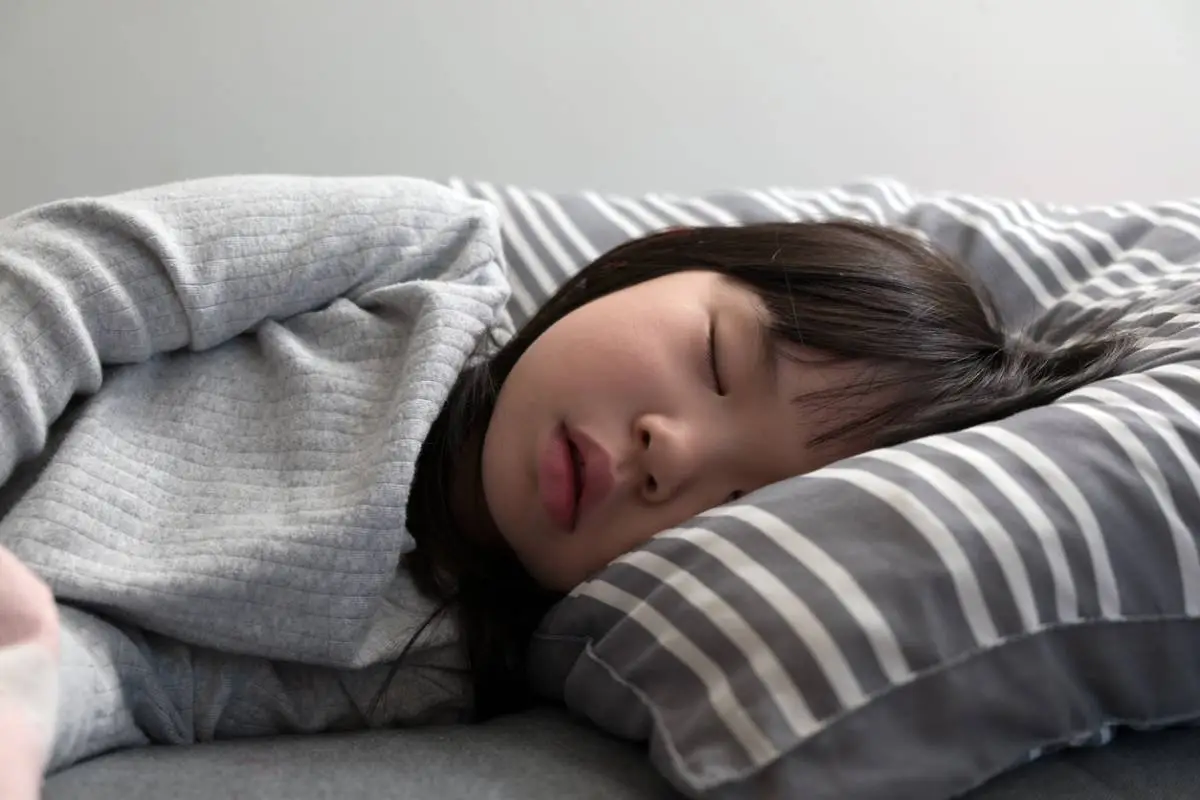
Sleep apnea only affects overweight adults, right? Wrong. This dangerous myth delays diagnosis and treatment for countless children. Camilla Ohl trains healthcare providers through Ohl Practice Management & Consulting to educate families about pediatric sleep apnea realities. Her experience helping practices integrate comprehensive care reveals that misconceptions prevent children from getting help they desperately need.
Children with sleep apnea don’t always snore loudly. They don’t need to be overweight. They won’t simply outgrow it. Understanding what’s actually true versus common myths helps families recognize symptoms and seek evaluation promptly. Early intervention prevents serious long-term health consequences.
Why Pediatric Sleep Apnea Matters More Than You Think
Sleep apnea affects far more children than most parents realize. It’s not rare and it’s not harmless when left untreated.
Prevalence extends well beyond adult populations. Many parents don’t realize how many children endure this disorder. Signs can be subtle and easily missed during routine observation. The condition impacts child development and health profoundly when it goes unrecognized.
Here are the myths parents must stop believing:
- Myth: Only overweight children get sleep apnea
- Myth: Snoring is the only symptom that matters
- Myth: Children will outgrow sleep apnea naturally
- Myth: Sleep apnea isn’t serious in young children
- Myth: Treatment always requires surgery
- Myth: Nothing can be done for very young children
- Myth: Behavioral problems aren’t connected to sleep
- Myth: If my child seems rested, they’re fine
Impact on health and development proves significant. Misconceptions that pediatric sleep apnea is harmless lead to lack of urgency. Left unaddressed, it disrupts growth, academic performance, and social interactions. Early detection and management prevent these cascading problems.
Timely recognition prevents secondary health issues. Parents educated about this condition seek early intervention more readily. Treatment might include lifestyle changes, oral appliances, or surgery. Ensuring healthy development pathways requires identifying problems before they become entrenched.
Symptoms Beyond Simple Snoring
Snoring isn’t the only sign parents should watch for. Recognizing the full symptom spectrum leads to correct diagnoses and necessary care.
| Symptom Category | What to Watch For | Why It Matters |
| Nighttime Behaviors | Restlessness, gasping, choking sounds, mouth breathing | Indicates breathing obstruction during sleep |
| Daytime Problems | Excessive sleepiness, inattention, hyperactivity | Shows sleep quality is severely compromised |
| Physical Signs | Morning headaches, dark circles, failure to thrive | Reveals chronic sleep disruption effects |
| Behavioral Issues | Irritability, mood swings, aggression | Results from exhausted brain lacking rest |
| Academic Struggles | Poor concentration, memory problems, declining grades | Cognitive function impaired by oxygen deprivation |
Restlessness and daytime impairment signal problems. Beyond snoring, children might toss and turn frequently. They struggle to concentrate on schoolwork. Both indicate disrupted sleep from breathing difficulties. These less conspicuous symptoms deserve equal attention.
Subtle nocturnal disturbances matter significantly. Episodes of gasping for air or apparent choking during sleep are serious indicators. Though potentially less frequent than snoring, these events signal possible sleep apnea. They represent the child’s response to obstructed airways and demand medical attention.
Vigilance for less obvious signs falls on caregivers. Monitoring unusual sleep behaviors and reporting them to healthcare professionals is essential. This can lead to sleep studies or referrals to pediatric sleep specialists. Early interventions alleviate symptoms and associated risks.
Risk Factors Extend Beyond Weight
Recognizing sleep apnea risk extends far beyond weight concerns. Various anatomical factors predispose children to this condition regardless of body size.
Enlarged tonsils and adenoids commonly cause problems. These structures can be larger than normal narrowing airways in children. They complicate breathing during sleep independent of weight. Parents should understand that physical traits spotted during routine checkups may contribute to sleep apnea.
Craniofacial influences play significant roles. Whether inherited or developmental, these anomalies predispose children to sleep apnea. Conditions like recessed chins or deviated septums alter airway structure enough to cause breathing problems during sleep.
Proactive health checks empower parents. Children should be evaluated for sleep apnea even without weight-related risk factors. Regular checkups including assessments of tonsils, adenoids, and craniofacial structure help in early identification and treatment.
Why Treatment Can’t Wait
Believing children will outgrow sleep apnea hinders timely intervention. Proactive treatment prevents long-standing health issues affecting development and cardiovascular health.
Developmental delays stem from untreated sleep apnea. Disrupted brain development leads to cognitive challenges. Struggles with learning, attention, and memory impede academic success and social development. Recognizing and addressing these risks early curbs their progression.
Cardiovascular health faces strain from chronic sleep apnea. Young hearts get stressed potentially leading to high blood pressure or heart problems later. These risks underscore the need for prompt medical evaluation and treatment consideration.
Early medical intervention proves crucial. Parents must understand the need for clinical assessments and exploring various interventions. These steps remedy sleep apnea effects and safeguard overall wellbeing. Treatment approaches depend on each child’s specific anatomy, symptom severity, and underlying causes. Working with experienced specialists ensures interventions address your child’s unique situation rather than applying generic solutions.
Active Steps Parents Must Take
Effectively tackling pediatric sleep apnea requires parents take active measures. Monitoring symptoms, recording disturbances, and seeking professional advice prove critical.
Monitor for diverse symptom patterns. Parents need to observe sleep behaviors beyond common snoring. Unusual patterns like periods of silence followed by gasps or frequent wakings could indicate sleep apnea. This vigilance identifies the need for further medical evaluation.
Keep detailed sleep records. Documentation of observed patterns including disturbances and irregular breathing helps healthcare providers immensely. These records provide concrete accounts of sleep issues enhancing diagnosis accuracy and informing treatment paths.
Seek professional evaluation promptly. When symptoms indicative of sleep apnea appear, consult healthcare professionals quickly. Early medical engagement ensures thorough evaluation and timely intervention if needed. This improves health outcomes significantly.
Recognizing True Medical Urgencies
Understanding when to seek medical help for potential pediatric sleep apnea ensures prompt necessary care. Knowing which symptoms warrant professional evaluation matters.
Long or frequent breathing pauses during sleep raise immediate concern. These noticeable disruptions aren’t characteristic of normal sleep. They signal the body struggling to maintain adequate oxygen levels. Urgent medical assessment becomes necessary.
Recurring morning symptoms indicate problems. Patterns of headaches or pronounced fatigue upon waking suggest poor rest quality from sleep apnea. Consistent symptoms mean sleep is being significantly affected. Professional diagnosis and potential intervention are needed.
Differentiate from normal sleep patterns. Parents must distinguish between typical sleep habit variations and sleep apnea indicators. Training yourself to notice these signs leads to life-saving early interventions. This prevents complications associated with undiagnosed untreated sleep apnea.
Finding Specialized Expert Care
Managing pediatric sleep apnea effectively requires healthcare professionals specializing in these conditions. Expert guidance helps navigate complexities.
Specialized knowledge ensures accurate diagnosis. Pediatric sleep specialists use nuanced understanding to tailor treatment plans. They reflect the distinct nature of each child’s condition. This expertise proves crucial for obtaining correct diagnoses.
Personalized treatment plans address individual circumstances. Effective management relies on customization. Specialists consider specific situations including therapeutic interventions, lifestyle adjustments, and surgical solutions when necessary. Camilla Ohl’s consulting work helps practices understand when specialized referrals become essential.
Family-centered approaches extend beyond individual children. Specialists offer comprehensive guidance involving families. They provide education and support helping everyone understand and manage conditions effectively. This holistic approach improves outcomes.
Building Prevention Through Knowledge
Proactive measures form cornerstones of preventing and managing pediatric sleep apnea. Parent dedication to learning and collaborating with providers proves vital.
Education and awareness empower proper management. Parents need to understand potential impacts on health and available treatments. Knowing the condition’s intricacies empowers early symptom identification. This enables advocacy during medical consultations.
Partnership with healthcare providers ensures comprehensive care. Ongoing transparent communication with pediatricians and sleep specialists is vital. This collaboration ensures healthcare decisions about diagnostic evaluations and treatment options get made with complete understanding.
Best practices foster long-term wellbeing. Parents should integrate healthy sleep habits into routines. Establish regular sleep schedules. Maintain sleep-conducive environments. Follow through with recommended therapeutic interventions. These practices create foundations for healthy development.
Empowering Informed Decision-Making
Parents’ ability to make informed decisions based on clear understanding safeguards children’s sleep health. Dispelling myths and embracing facts enables proactive stances.
Acknowledge sleep apnea’s reality in pediatric populations. It’s not uncommon in children and requires careful attention for accurate diagnosis. Camilla Ohl’s work at Ohl Practice Management & Consulting, built on two decades of dental industry experience, trains practices to educate families about these realities. Accepting prevalence opens doors to exploring diagnostic avenues and appropriate treatments.
Adopt proactivity in health management. Equipped with right knowledge, parents engage effectively with healthcare systems. Securing treatments aligned with children’s specific needs often involves regular consultations and following through with management plans.
Drive positive health outcomes through informed action. Proactive parents become drivers of positive outcomes for children with sleep apnea. Navigating healthcare landscapes with confidence and clarity plays integral roles in managing and resolving sleep issues. Contact Camilla Ohl for guidance on finding specialists or to learn how practices can better educate families about pediatric sleep apnea realities.
Don’t let uncertainty hold you back. Schedule a consultation today and start building a thriving dental sleep practice with Ohl Consulting!
Ohl Practice Management & Consulting
connect@ohlpracticeconsulting.com
Frequently Asked Questions
Is snoring the only indication of sleep apnea in children?
Snoring isn’t the only sign parents should watch for. Children may have restless sleep, gasping, or choking episodes during the night. Daytime fatigue despite adequate sleep time indicates problems. Behavioral issues like hyperactivity or difficulty concentrating can stem from poor sleep. Observing for these varied symptoms enables early detection and treatment.
Can children who aren’t overweight still have sleep apnea?
Weight doesn’t determine sleep apnea risk in children. Factors like enlarged tonsils, adenoids, or certain craniofacial structures make any child susceptible regardless of size. Thin, athletic children develop sleep apnea just as readily as overweight children. Looking beyond weight when considering this condition is critical for proper diagnosis.
Will my child outgrow sleep apnea without treatment?
Many children don’t outgrow sleep apnea naturally. Some may see improvement as airways enlarge with growth. Others experience worsening symptoms and long-term consequences like developmental delays or cardiovascular issues. Waiting and hoping risks years of damage during critical development periods. Seeking professional evaluation and considering treatment options protects your child’s health.
The information on this page is provided to help you understand general dental care and the preventive services we offer. It’s not a substitute for professional diagnosis or individualized treatment. Every patient’s needs are different, and your dentist will evaluate your oral health before recommending any specific care or procedure. (For personalized guidance, please schedule an appointment with a licensed dental professional.)


