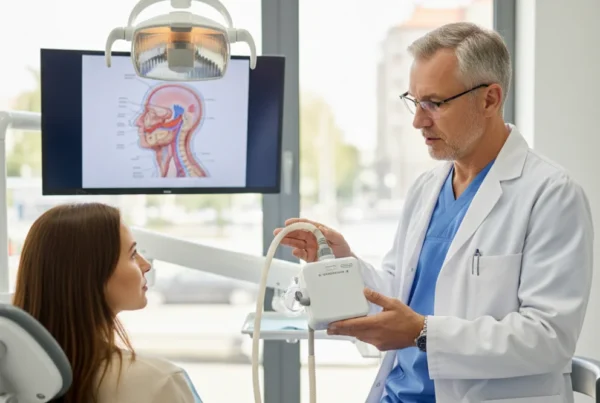

Insurance often does cover oral appliance therapy for sleep apnea, but coverage depends on how the treatment is classified and what requirements are met. Many patients are surprised to learn that oral appliances are usually billed through medical insurance, not dental insurance, and that approval often requires specific steps.
This article is supported by Ohl Practice Management & Consulting in Houston, Texas. Camilla Ohl brings more than two decades of experience in dental operations, insurance workflows, and sleep medicine program development. Her background includes helping practices navigate medical billing, documentation, and patient communication so coverage conversations feel clear instead of confusing.
Dental Sleep Medicine and Why Insurance Feels Complicated
Dental sleep medicine sits in a unique space between medical and dental care. Oral appliances are made by dentists, but they treat a medical condition called obstructive sleep apnea.
Patients across Houston, including The Heights, Montrose, and areas near the Texas Medical Center, often assume dental insurance applies. When they hear “medical insurance” instead, it raises questions. Understanding how insurance views sleep apnea helps set realistic expectations from the start.
How Oral Appliance Therapy Is Typically Billed
In most cases, oral appliance therapy for sleep apnea is billed under medical insurance. That is because sleep apnea is considered a medical diagnosis, not a dental condition.
Here is how billing is usually handled:
• A sleep study confirms a diagnosis of obstructive sleep apnea
• A physician documents medical necessity for treatment
• Oral appliance therapy is submitted under medical insurance
• Dental insurance may help with appliance fabrication in limited cases
This distinction matters. Medical plans often have deductibles, prior authorization rules, and documentation requirements that differ from dental plans.
Common Insurance Requirements Patients Should Expect
Insurance companies usually require specific documentation before approving coverage. These requirements are meant to confirm that treatment is appropriate and necessary.
Patients commonly need to meet these conditions:
• A documented sleep apnea diagnosis from a sleep study
• A physician referral or prescription for oral appliance therapy
• Proof that CPAP was tried or considered, in some cases
• Ongoing follow-up to confirm treatment effectiveness
Meeting these requirements can take time. Clear communication between the dental office, physician, and patient helps reduce delays and frustration.
Medical vs Dental Insurance for Oral Appliances
Understanding which insurance applies can ease a lot of stress. The difference between medical and dental coverage explains many of the billing questions patients have.
| Coverage Type | What It Typically Covers | How Oral Appliances Are Viewed |
| Medical insurance | Diagnosis and treatment of sleep apnea | Primary coverage source |
| Dental insurance | Tooth and gum-related care | Limited or no coverage |
| Both combined | Rare coordination of benefits | Depends on individual plans |
This is why two patients with similar appliances can have very different out-of-pocket costs. Coverage depends on the medical plan, not just the device.
What Happens When Insurance Does Not Fully Cover Treatment
Even with medical insurance, coverage is not always complete. Deductibles, coinsurance, and exclusions can affect final costs.
When coverage is limited, dental offices often review self-pay options, payment plans, or partial coverage paths. Knowing this upfront helps patients plan without feeling caught off guard.
Transparency matters here. Patients are more comfortable moving forward when they understand both coverage and costs before treatment begins.
How Follow-Up and Documentation Affect Coverage
Insurance approval does not always stop once the oral appliance is delivered. Many plans want confirmation that treatment is actually improving sleep apnea, not just that a device was provided. This is why follow-up steps are often built into coverage requirements from the beginning.
Follow-up sleep testing, symptom reports, and compliance checks help show that therapy is working as intended. These steps also protect patients by confirming improvements in breathing and sleep quality. When results are documented clearly, it reduces the risk of coverage disputes later.
Practices that track outcomes carefully tend to experience fewer billing delays and denials. Clear documentation also helps patients feel confident that their treatment is being taken seriously. Over time, this level of follow-through supports both better insurance outcomes and better clinical results.
Taking the Next Step With Ohl Practice Management & Consulting
Insurance should not feel like a barrier to better sleep. The key is understanding how oral appliance therapy fits into medical coverage and setting expectations early. Ohl Practice Management & Consulting helps dental teams build clear insurance workflows that support patients without overwhelming them. Camilla Ohl’s experience brings clarity to a process that often feels frustrating and opaque.
Patients want confidence, not confusion. Our role is to help practices explain coverage clearly, guide documentation properly, and reduce friction throughout care. If you want help strengthening sleep apnea insurance workflows in Houston, call (713) 489-9937 to talk through next steps.
Frequently Asked Questions
Is oral appliance therapy covered by medical or dental insurance?
Oral appliance therapy is most often covered through medical insurance because sleep apnea is considered a medical condition. Even though a dentist provides the appliance, dental insurance rarely plays a major role in coverage. Understanding this difference early helps prevent confusion once treatment begins.
Do I need a sleep study for insurance coverage?
Most insurance plans require a sleep study before they will consider coverage for oral appliance therapy. The study confirms a sleep apnea diagnosis and establishes medical necessity. Without this step, insurance approval is unlikely.
Does insurance require CPAP failure before covering an oral appliance?
Some insurance plans require documentation showing that CPAP was tried or considered first. Other plans allow oral appliance therapy as an initial option, especially for mild to moderate cases. Because requirements vary, coverage details are often reviewed on a case-by-case basis.
Why is follow-up testing important for insurance?
Follow-up testing helps show that oral appliance therapy is effectively controlling sleep apnea. Some insurers require this confirmation to continue coverage or approve future care. It also gives patients confidence that treatment is producing real, measurable results.