
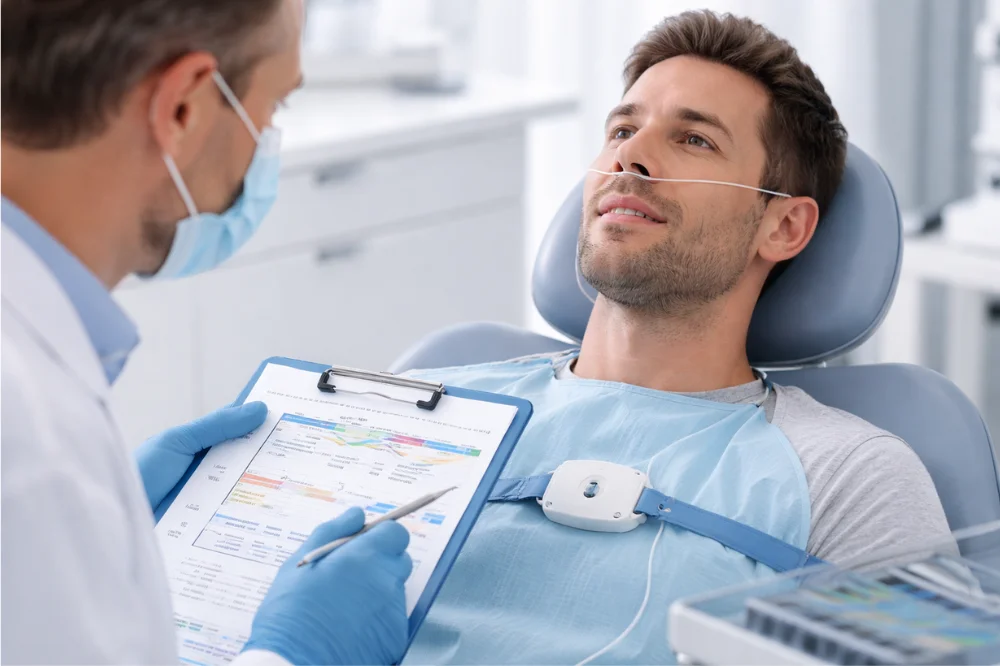
Preparing for a sleep study is usually much easier than people expect. The main goal is simple. Follow a few clear steps so your sleep during the test looks like your normal sleep at home. Avoid caffeine, skip daytime naps, arrive with clean hair and skin, and bring a few comfort items for the night. These small actions help the sensors collect accurate data and help doctors understand what is really happening during your sleep.
This guide is supported by Ohl Practice Management & Consulting in Houston, Texas. Camilla Ohl, founder of the consulting firm, brings more than two decades of experience in dental and sleep medicine program development. She has worked with hundreds of dental teams and sleep providers to build systems that improve patient education, sleep testing workflows, and treatment follow‑through. That hands‑on experience allows her to explain sleep studies in practical, patient‑friendly language that reflects how real sleep labs operate.
Day-Of Rules Before Your Sleep Study
The most important preparation for a sleep study happens during the day before the test. Sleep centers want your sleep that night to look as close to normal as possible. That means avoiding anything that could artificially stimulate or disrupt your sleep pattern.
Here are the basic rules most sleep centers recommend following before your study:
- Avoid caffeine after late morning or early afternoon
- Avoid alcohol the evening before your sleep study
- Do not take naps during the day
- Keep your normal daily routine and meal schedule
- Stay active during the day so you feel naturally tired at night
Caffeine, alcohol, and naps all change how the brain moves through sleep stages. Because doctors measure sleep timing and breathing events during the study, these habits can make the results harder to interpret. Following these simple rules helps ensure the study reflects your real sleep patterns.
Hair, Skin, and Clothing: Getting Sensor-Ready
A sleep study uses small electrodes and sensors that must stick to the skin and scalp. Clean skin and hair help those sensors stay in place and record accurate signals throughout the night.
On the day of the study, most sleep labs ask patients to shower and wash their hair. Avoid applying heavy lotions, oils, hair sprays, or styling products. These products interfere with the adhesive used for sensors and may require technicians to clean the skin again before attaching equipment.
Loose, comfortable sleepwear works best for the study. Two-piece pajamas, shorts with a T-shirt, or similar clothing make it easier for technologists to place belts and sensors around the chest and legs. The goal is comfort while allowing the equipment to collect accurate signals.
Food, Medications, and Medical Conditions
Most sleep labs encourage patients to eat a normal evening meal before arriving. Heavy or spicy foods can cause discomfort and make it harder to sleep comfortably during the test. A regular dinner usually works best.
In most cases, patients should continue taking their usual prescription medications unless a doctor gives different instructions. Because medications can influence sleep patterns, the sleep team often records what medications were taken rather than stopping them completely.
If you have diabetes, heart conditions, or other chronic medical issues, the sleep lab may give special instructions. Bringing a list of medications and supplements helps the team understand anything that might influence your sleep results.
What to Pack for Your Sleep Study
Many patients treat the sleep study like a short overnight hotel stay. Bringing a few personal items can help you feel more comfortable and relaxed during the night.
Here are common items patients bring to their sleep study appointment:
- Photo ID, insurance card, and any referral paperwork
- Comfortable sleepwear and a change of clothes for the morning
- Toothbrush, toothpaste, and simple toiletries
- Prescription medications you normally take at night or morning
- Personal comfort items such as a pillow or blanket if allowed
Packing these items ahead of time helps you settle in quickly when you arrive. Most sleep labs try to create a comfortable environment so patients can sleep as normally as possible.

Managing Nerves and Insomnia in the Sleep Lab
It is very common for people to worry that they will not sleep during a sleep study. Fortunately, the test does not require perfect sleep to be useful. Even a few hours of sleep can provide enough information for doctors to analyze breathing patterns and sleep stages.
Sticking to your normal bedtime routine can help the environment feel more familiar. Reading a book, listening to calming music, or practicing slow breathing exercises can help you relax before lights out. Sleep technologists also monitor patients throughout the night and can assist if equipment feels uncomfortable.
Preparing for an In-Lab Sleep Study vs a Home Sleep Test
Many patients today complete either a traditional overnight sleep study in a lab or a home sleep apnea test. Preparation for both types is similar, but there are a few differences.
| Preparation Step | In-Lab Sleep Study | Home Sleep Test |
| Location | Overnight stay in sleep lab | Conducted at home |
| Sensors | Multiple sensors including brain waves and breathing | Fewer sensors focused on breathing |
| Personal items | Bring overnight bag | Normal home routine |
| Technician support | Staff monitors data overnight | Patient places sensors at home |
Home sleep tests are often used when doctors strongly suspect straightforward sleep apnea. In-lab polysomnography remains the most comprehensive test when doctors need to measure several body systems during sleep.
When to Call the Sleep Lab Before Your Appointment
Sometimes plans change before the night of a sleep study. Knowing when to contact the sleep center can prevent problems and help avoid repeating the test.
Patients should call the sleep lab if they develop a fever, respiratory infection, or other illness before the appointment. Sudden medication changes or uncertainty about prescription instructions are also reasons to check with the clinic. Sleep labs are used to answering preparation questions, and a quick call can clarify instructions and help ensure the study produces reliable results.
Helping Patients Move Toward Better Sleep With Confidence
Many people who need a sleep study have been struggling with poor sleep for years. They may wake up tired, deal with loud snoring, or worry about breathing pauses during the night. The sleep study exists to answer the question most patients keep asking themselves: what is actually happening while I sleep?
In the StoryBrand approach, the patient is the hero trying to solve the problem of poor sleep and low energy. The sleep specialist becomes the guide who offers a clear plan through testing, diagnosis, and treatment. At Ohl Practice Management & Consulting in Houston, Camilla Ohl helps practices communicate that path clearly so patients feel confident taking the next step. When people understand how to prepare for their sleep study and what to expect, they are far more likely to complete testing and move toward healthier sleep.
Frequently Asked Questions
Can I drink coffee before a sleep study?
Coffee and other caffeine drinks should usually be avoided for several hours before a sleep study. Caffeine stimulates the brain and can delay the time it takes to fall asleep, which may change the results doctors are trying to measure. A better way to think about it is this: the sleep team wants to see your natural sleep patterns, not sleep that is altered by stimulants. Following the caffeine guidelines your sleep lab provides helps make sure the study reflects how you normally sleep.
Should I shower before a sleep study?
Most sleep labs recommend showering and washing your hair on the day of the study. Clean hair and skin allow the electrodes and sensors to stick properly and collect clear signals throughout the night. Hair sprays, gels, oils, and heavy lotions can interfere with the adhesive used for sensors. Skipping those products makes the setup faster and helps the technologist gather more reliable data.
What if I cannot fall asleep during my sleep study?
Many patients worry they will not sleep well in the lab environment, but perfect sleep is not required for the test to work. Even a few hours of sleep usually provide enough information for doctors to analyze breathing patterns and sleep stages. Sleep technologists are experienced in helping patients get comfortable and adjust equipment if needed. In most cases, people sleep more than they expected once the room becomes quiet and dark.
What should I bring to a sleep study?
Think of the sleep study as a short overnight stay. Patients usually bring comfortable sleepwear, toiletries, identification, and any medications they normally take in the evening or morning. Some people also bring personal comfort items such as a favorite pillow or blanket if the lab allows it. Preparing these items ahead of time helps you settle in quickly and makes the experience feel more familiar.


