
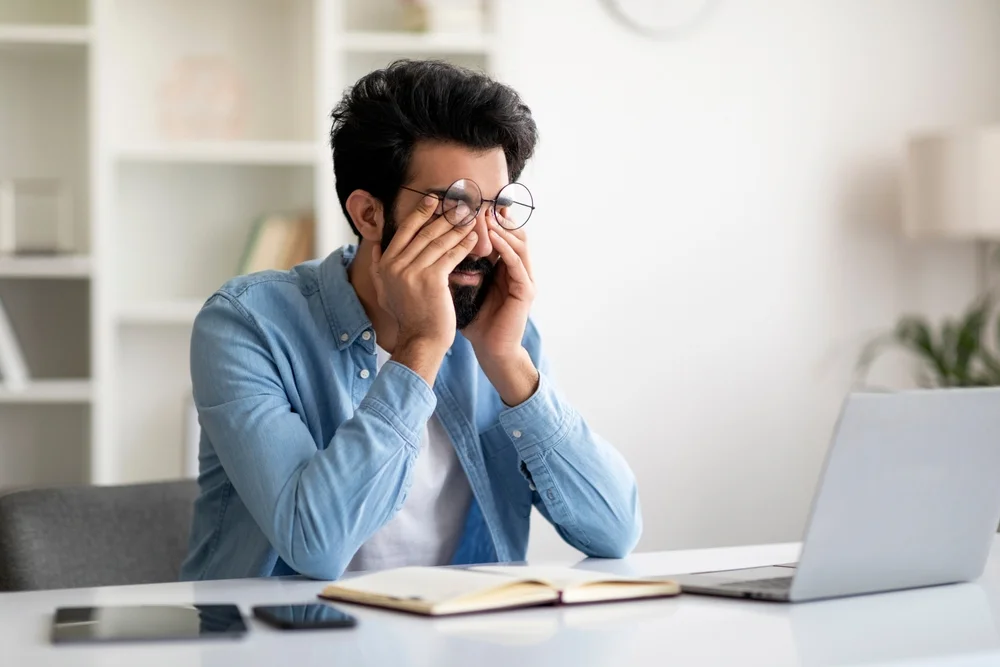
Teeth grinding sounds like a minor annoyance. But bruxism steals quality sleep and damages health in ways most people never realize. Camilla Ohl has spent years training dental practices through Ohl Practice Management & Consulting to recognize bruxism’s far-reaching impacts. Her experience helping practices integrate comprehensive care approaches shows that treating teeth grinding requires addressing sleep disruption, physical damage, and emotional wellbeing simultaneously.
Bruxism fragments the restorative sleep cycles your body needs. Each grinding episode briefly wakes your brain even if you don’t remember it. These micro-awakenings prevent deep sleep stages. You spend eight hours in bed but wake up exhausted. Understanding this connection helps patients seek effective treatment before years of poor sleep compound into serious health problems.
How Teeth Grinding Sabotages Your Rest
Bruxism attacks sleep quality through multiple mechanisms. Recognizing these disruption patterns helps explain why you feel tired despite adequate time in bed.
Sleep fragmentation happens throughout the night. Each grinding episode triggers a brief arousal response. Your brain never settles into deep sleep stages. Restorative processes that happen during quality sleep get interrupted repeatedly. Cognitive function and physical recovery suffer from this constant disruption.
Physical discomfort compounds sleep problems. Jaw tension from grinding creates pain that disturbs rest. Headaches develop from muscle strain. These symptoms make falling asleep harder and staying asleep nearly impossible. The cycle feeds itself as poor sleep increases stress that triggers more grinding.
Here’s what bruxism does to your sleep and body:
- Fragments sleep architecture preventing deep sleep stages
- Creates jaw pain and tension headaches upon waking
- Causes daytime fatigue despite spending hours in bed
- Reduces cognitive performance from inadequate rest
- Triggers irritability and mood changes from exhaustion
- Strains personal and professional relationships
- Decreases productivity at work from brain fog
- Increases risk of accidents from reduced alertness
Daytime impacts reveal nighttime problems. Fatigue, reduced alertness, and irritability signal that grinding disrupted your sleep. These symptoms affect work performance and relationships. Addressing bruxism restores sleep quality and eliminates these cascading effects.
Physical Damage Beyond Your Teeth
Bruxism’s destruction extends far beyond worn enamel. Understanding the full scope of physical harm motivates comprehensive treatment.
Dental integrity deteriorates under constant grinding pressure. Enamel wears down exposing sensitive tooth layers. This erosion makes teeth vulnerable to decay and damage. Sensitivity to hot and cold develops as protective layers disappear. Custom oral appliances create barriers between teeth protecting enamel during grinding episodes.
| Physical Impact | How Bruxism Causes It | Long-Term Consequences |
| Enamel Erosion | Constant grinding pressure wears surfaces | Tooth sensitivity, decay risk, structural damage |
| TMJ Disorders | Jaw muscles and joints under excessive strain | Chronic pain, limited jaw mobility, clicking sounds |
| Headaches | Muscle tension radiating from jaw | Chronic daily headaches, migraine patterns |
| Tooth Fractures | Weakened teeth crack under pressure | Need for crowns, root canals, extractions |
| Gum Recession | Forces transmitted through teeth | Exposed roots, increased decay risk |
Temporomandibular joint health suffers significantly. Constant grinding places excessive stress on jaw muscles and joints. This strain evolves into painful TMJ disorders over time. Joint mobility becomes limited. Clicking or popping sounds develop during normal jaw movement. Oral appliances engineered to reduce this pressure prevent long-term joint damage.
Speech mechanics can be affected by severe cases. Relentless grinding alters jaw alignment over time. Tooth wear changes bite relationships. These shifts can impact speech clarity and comfort. Carefully customized oral appliances maintain natural jaw positioning protecting both teeth and speech function.
Systemic Health Connections
Bruxism interacts with broader health conditions creating complex treatment challenges. Understanding these connections enables comprehensive care approaches.
Existing conditions worsen under bruxism’s influence. Chronic headaches intensify from jaw tension. TMJ disorders become more painful. Even earaches can be amplified by grinding-related inflammation. Treatment planning must consider these pre-existing issues. Oral appliances provide relief from intensified symptoms while addressing the grinding itself.
New health problems emerge from untreated bruxism. Damaged teeth require extensive dental work. Disturbed sleep can progress to sleep apnea. Poor sleep affects digestion and immune function. Recognizing these potential cascades motivates early intervention. Comprehensive treatment prevents these secondary complications from developing.
Mental and physical health intertwine through bruxism. Stress triggers grinding which creates discomfort that increases stress. This vicious cycle perpetuates both conditions. Breaking this loop requires addressing stress management alongside physical treatment. Educational components and stress reduction referrals complement oral appliance therapy.
The Stress-Grinding-Sleep Connection
Mental health factors play crucial roles in bruxism development and management. Addressing psychological components improves treatment outcomes dramatically.
Stress drives teeth grinding in most cases. High anxiety periods correlate with increased grinding frequency. The resulting discomfort feeds back into elevated stress levels. This relentless loop requires multi-faceted intervention. Stress management techniques help break the cycle reducing grinding propensity.
Sleep disruption creates psychological strain. Fragmented rest sows seeds for irritability and mood problems. Anxiety disorders can develop or worsen from chronic poor sleep. Comfortable, effective oral appliances promote uninterrupted sleep. Better rest indirectly benefits mental health by restoring normal sleep patterns.
Building mental resilience supports bruxism management. Resources and counseling bolster psychological fortitude. Patients cope better with bruxism ramifications when mentally prepared. Enhanced overall wellbeing fortifies individuals against psychological hardships. This holistic approach addresses both physical and mental aspects of the condition.
Evidence-Based Oral Appliance Solutions
Modern oral appliance therapy reflects progressive dental care advancement. Treatment effectiveness stems from research alignment, patient feedback, and customization.
Latest research informs appliance design continuously. Academic and clinical studies guide device refinement. This ensures appliances provide protection plus therapeutic benefits. Staying current with research maintains treatment at the forefront of efficacy.
Patient experiences shape appliance development. Feedback about comfort and practicality gets integrated into designs. This responsiveness enhances adherence and satisfaction. Devices that patients actually wear consistently deliver better outcomes. Individual needs drive modifications ensuring practical real-world effectiveness.
Personalized fitting ensures optimal results. Custom appliances align perfectly with individual anatomy and lifestyle. This confluence of comfort, convenience, and clinical precision addresses bruxism effectively. Treatment approaches vary based on each patient’s specific grinding patterns, jaw structure, and symptom severity. Working with experienced professionals ensures your appliance gets tailored to your unique situation rather than receiving generic solutions.

Data-Driven Personalization
Effective bruxism treatment relies on precise diagnostics and ongoing monitoring. Patient-first approaches informed by data deliver superior outcomes.
Advanced diagnostics establish treatment foundations. Comprehensive examinations gather detailed information about each case. This specificity allows creation of truly customized appliances. Solutions address individual patterns and severity rather than providing generic fixes.
Iterative feedback refines treatment continuously. Patient experiences during appliance use inform adjustments. This process ensures final devices mitigate grinding while accommodating personal preferences. Enhanced comfort increases adherence improving long-term success rates.
Progressive outcome monitoring guides optimization. Improvements in sleep quality and grinding reduction get tracked carefully. This data allows modifications responding to changing needs. Continuous evaluation ensures sustained effectiveness in managing bruxism over time.
Comprehensive Support Systems
Managing bruxism effectively requires robust support beyond the appliance itself. Multiple components work together ensuring successful outcomes.
Professional expertise provides treatment foundations. Specialized knowledge ensures each case gets understood thoroughly. High competency levels guide development of both reactive and proactive treatment plans. This acumen addresses immediate symptoms while preventing future complications.
Patient education empowers informed decision-making. Understanding bruxism and available treatments helps patients participate actively in care. Knowledge about their role in managing the condition improves long-term outcomes. Education transforms passive patients into engaged partners.
Compassionate care experiences support treatment adherence. Recognizing stress and discomfort from bruxism, Camilla Ohl’s training programs help practices provide empathetic support. This therapeutic alliance facilitates sustained engagement with treatment. Feeling understood and supported improves overall outcomes significantly.
Prevention and Daily Management
Proactive strategies reduce bruxism frequency and protect against complications. Behavioral approaches complement physical treatments for comprehensive management.
Behavioral techniques form prevention foundations. Jaw relaxation exercises reduce grinding incidents. Mindful awareness of teeth clenching during the day helps break unconscious patterns. These daily practices integrated into routines significantly minimize bruxism occurrence. Actionable steps give patients control over their condition.
Regular follow-ups maintain treatment effectiveness. Scheduled appointments allow condition assessment and appliance adjustments. Behavioral strategies get reinforced during these visits. Consistent oversight prevents lapses in treatment efficacy. This ongoing management sustains improvement trajectories.
Stress control addresses root causes. Relaxation methods like deep breathing alleviate psychological triggers. Guided imagery and meditation reduce grinding frequency. Integrating stress management into overall treatment plans tackles bruxism holistically. This comprehensive approach through programs Camilla trains practices to implement delivers better long-term results.
Transforming Sleep and Health
Bruxism treatment extends beyond symptom control. Comprehensive approaches improve sleep quality, provide personalized solutions, and empower patients for lasting wellness.
Sleep quality improvement drives treatment priorities. Disrupted rest cascades into numerous health issues. Camilla Ohl’s work at Ohl Practice Management & Consulting, built on two decades of dental industry experience helping practices integrate comprehensive care, emphasizes customized oral appliances that tackle sleep disturbance sources. Better sleep establishes foundations for improved overall health.
Personalized solutions ensure optimal outcomes. Each patient’s bruxism presents uniquely. Treatment addressing individual needs and preferences proves more effective and comfortable. Bespoke management plans consider specific case aspects delivering superior results.
Patient empowerment enhances long-term success. Understanding and controlling bruxism through education and involvement creates proactive management. This inclusive approach fosters greater control over the condition. Contact Camilla Ohl for guidance on finding providers trained in comprehensive bruxism management or to learn how practices can integrate advanced oral appliance therapy.
Don’t let uncertainty hold you back. Schedule a consultation today and start building a thriving dental sleep practice with Ohl Consulting!
Ohl Practice Management & Consulting
connect@ohlpracticeconsulting.com
Frequently Asked Questions
How does oral appliance therapy improve sleep for bruxism patients?
Oral appliances reposition your jaw comfortably during sleep reducing grinding episodes. This minimizes sleep disruption allowing you to reach deeper, more restorative sleep stages. Less fragmentation means waking refreshed instead of exhausted. The appliances work throughout the night protecting teeth while preserving sleep quality. Most patients notice dramatic improvement within the first few weeks.
Is oral appliance therapy for bruxism a comfortable treatment option?
Custom-fitted oral appliances ensure maximum comfort and effectiveness. Each device gets designed specifically for your mouth anatomy. This personalized approach eliminates the discomfort of one-size-fits-all solutions. Most patients adapt within a few nights. The non-invasive nature makes it preferable to other treatment options. Comfort drives adherence which determines long-term success.
Can oral appliances prevent bruxism-related dental damage?
Oral appliances create protective barriers between upper and lower teeth. This prevents direct contact during grinding episodes. Enamel wear stops as the appliance absorbs grinding forces. Tooth damage and sensitivity decrease significantly with consistent use. The protection preserves dental health preventing need for extensive future dental work. Early intervention with appliances saves teeth from permanent damage.
The information on this page is provided to help you understand general dental care and the preventive services we offer. It’s not a substitute for professional diagnosis or individualized treatment. Every patient’s needs are different, and your dentist will evaluate your oral health before recommending any specific care or procedure. (For personalized guidance, please schedule an appointment with a licensed dental professional.)